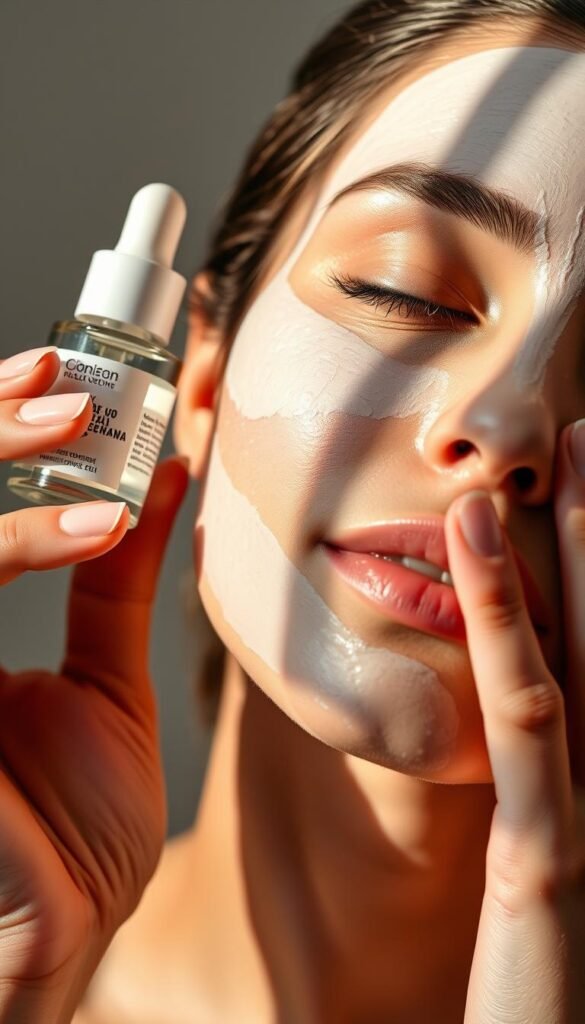
“The beauty of a woman is not in the clothes she wears, but in the confidence she radiates.” – Audrey Hepburn’s timeless words remind us that true radiance starts with feeling comfortable in your own skin. Yet winter’s icy grip often leaves even the most resilient complexions feeling parched and irritated. Cold air, indoor heating, and harsh routines strip away natural moisture, leaving behind flakes and tightness that test anyone’s confidence.
This Website contains affiliate links. That means I may earn a small commission if you purchase through my links, at no extra cost to you.
If you’ve ever faced redness after cleansing or dreaded that post-shower tightness, you’re not alone. Millions struggle to balance hydration with gentleness, especially when sensitive skin demands extra care. But what if you could transform dryness into dewy resilience without compromising comfort?
This guide cuts through the noise of complicated routines and pricey products. Instead, you’ll discover science-backed strategies tailored for delicate complexions. From optimizing your shower habits to rethinking hydration layers, each tip is designed to work with your skin’s natural biology – not against it.
Key Takeaways
Winter dryness affects all climates due to low humidity and indoor heating
Gentle cleansing preserves natural moisture barriers better than harsh soaps
Layering lightweight hydrators locks in moisture without irritation
Humidifiers counteract dry air’s impact on delicate complexions
Lukewarm water prevents stripping essential oils from sensitive skin
Introduction: Embrace Hydrated, Glowing Skin
Every brush of fabric against irritated areas feels like a reminder of your skin’s rebellion. Flakes that cling to dark sweaters, makeup that settles into fine cracks, and that unrelenting tightness after washing your face – these aren’t just inconveniences. They’re signals your complexion needs a new approach to thrive.
Setting the Stage for Effective Solutions
True hydration isn’t just about products – it’s about rethinking how environmental factors shape your daily experience. Indoor heating saps moisture while windy commutes leave cheeks raw. Recognizing these triggers helps you build defenses that work with your skin’s natural rhythms.
How Sensitivity Shapes Your Day
Morning routines become minefields when cleansers leave your face stinging. Even simple acts like smiling can feel uncomfortable if cheeks are taut. Evening wind-downs might involve soothing redness instead of relaxation. But when you address root causes, every part of your day transforms.
The path to comfort starts with understanding your skin’s unique language. Is that midday itch a cry for richer creams? Do flaky brows hint at dehydrated zones needing targeted care? Listen closely, and you’ll unlock routines that turn survival into revival.
Understanding Dry and Sensitive Skin
Imagine your skin as a delicate fabric – when its protective weave weakens, everyday elements become abrasive. This vulnerability stems from a thinner outer layer, allowing irritants to breach defenses more easily. Recognizing this biological reality is the first step toward crafting routines that nurture rather than aggravate.
When Your Skin Sends Signals
Your complexion communicates through subtle cues. A flushed cheek after applying toner or sudden itchiness during windy walks aren’t random events – they’re coded messages. Common signs include:
Rough patches that resist regular moisturizers
Warmth or tingling within minutes of product application
Random clusters of tiny bumps resembling goosebumps
Hidden Aggressors in Plain Sight
Environmental factors and daily habits often team up against delicate complexions. Consider this breakdown of common adversaries:
Trigger Type
Examples
Impact
Weather
Cold air, indoor heating
Strips natural oils
Routine Choices
Hot showers, scented detergents
Disrupts pH balance
Lifestyle
Spicy foods, late-night skincare
Triggers inflammation
Nighttime emerges as a critical window – skipping evening hydration or using harsh cleansers can intensify morning dryness. Yet these challenges hold solutions. Switching to lukewarm showers preserves essential lipids, while silk pillowcases reduce friction-induced irritation.
Armed with this knowledge, you can transform everyday choices into powerful allies. Your skincare journey becomes less about avoiding triggers and more about creating environments where resilience thrives.
Revamping Your Skincare Routine
Like swapping wool coats for linen shirts when seasons shift, your skincare routine deserves thoughtful updates. Cold months demand richer formulas that act as armor against biting winds and dry indoor air. This isn’t about overhauling your entire regimen – it’s strategic tweaks that let your complexion thrive in any climate.
Seasonal Adjustments for Maximum Hydration
Winter transforms your skin’s needs. Lightweight summer products become inadequate, like wearing sandals in a snowstorm. Swap water-based moisturizers for buttery creams that lock in moisture for hours. Trade astringent toners for milky versions that refine pores without causing tightness.
Your nighttime ritual matters most. Layering a ceramide-rich serum under a nourishing cream creates a moisture seal. Think of it as building layers against the cold – thermal underwear for your face.
Switching to Gentler, Cream-Based Cleansers
Gel cleansers often leave delicate complexions feeling stripped. Cream-based alternatives cleanse while depositing hydration. Look for formulas with oat extract or squalane – they lift impurities without disturbing your skin’s protective barrier.
Morning and evening routines differ. Use micellar water at dawn to refresh without over-washing. At night, massage a rich cleanser onto dry skin to dissolve makeup gently. Rinse with lukewarm water to preserve essential lipids.
These changes work synergistically. Pairing a creamy toner with a layered moisturizing routine transforms parched areas into supple zones. Your skin stops fighting the elements and starts flourishing in them.
Choosing the Right Ingredients and Products
Your skin’s thirst for nourishment speaks through every tight smile and delicate flush. Selecting the right allies in your skincare arsenal can turn parched patches into velvety softness. Let’s explore the science-backed heroes and hidden villains in ingredient lists.
Hydration Heroes Worth Celebrating
Certain ingredients act like moisture magnets. Hyaluronic acid holds 1,000 times its weight in water, creating a reservoir for thirsty cells. Ceramides rebuild cracked moisture barriers like skilled masons repairing a fortress wall.
Ingredient
Key Benefit
Best For
Squalane
Mimics natural oils without clogging pores
Daytime hydration
Shea Butter
Forms protective shield against wind/chill
Night repair
Glycerin
Draws humidity from air into skin
All climates
Red Flags in Your Products
Some components sabotage delicate complexions. Watch for these troublemakers:
Sodium lauryl sulfate – strips natural lipids during cleansing
Unbuffered acids – cause microscopic tears in weakened barriers
Petrolatum gets controversial press but works wonders when used sparingly. The key? Balance. Pair occlusive agents with humectants like hyaluronic acid for layered protection. Your skincare cabinet becomes a curated gallery of problem-solvers rather than a graveyard of half-used irritants.
7 Dry Skin Hacks That Work for Sensitive Skin Too
The moment you step out of the shower holds a secret weapon for battling dehydration. Warm water temporarily softens your protective barrier, creating prime conditions for moisture absorption. Capitalize on this golden window with precision techniques that turn ordinary routines into hydration powerhouses.
Timing Is Everything
Pat skin gently with your towel instead of rubbing – leave it slightly damp. Apply your moisturizer within 90 seconds to trap water molecules against your body. This method boosts hydration retention by 40% compared to dry-skin application.
The Art of Layering
Transform basic products into a moisture fortress with strategic layering:
First: Antioxidant serum on damp face
Second: Hyaluronic acid cream to seal hydration
Third: Lightweight facial oil for overnight repair
Night masks become 30% more effective when layered over serums. For daytime, use a water-based formula under sunscreen. These professional techniques help delicate complexions maintain supple comfort through temperature swings and dry air.
Maximizing the Benefits of Serums and Masks
Your skincare ritual becomes a precision orchestra when serums and masks harmonize. These concentrated formulas deliver targeted nourishment where delicate complexions need it most – think of them as specialized tools repairing cracks in a masterpiece.
Double Up on Serums for Enhanced Moisture
Layering serums transforms single-note hydration into a symphony. Start with a water-based formula containing hyaluronic acid to quench immediate thirst. Follow with ceramide-rich blends that rebuild protective barriers like skilled artisans restoring ancient tapestries.
Nighttime offers prime conditions for absorption. Combine a brightening vitamin C serum with calming niacinamide for dual action. This strategic layering addresses multiple concerns without overwhelming reactive skin.
Selecting Gentle, Soothing Face Masks
Overnight masks work while your skin’s repair mechanisms peak. The 24k Gold Collagen Sleep Mask uses plant-based hyaluronic acid to plump parched areas gently. Beta-glucans reduce redness like cool compresses on flushed cheeks.
Sheet masks with pre-measured serums prevent over-application. Look for options containing oat extract or madecassoside – nature’s whisperers calming irritated terrain. These treatments turn bedtime into a rejuvenation ritual, waking you to supple softness.
Gentle Exfoliation to Remove Dry Flakes
Flaky patches act like stubborn gatekeepers, blocking your favorite creams from doing their job. The right exfoliation strategy transforms these rough areas into smooth canvases, letting hydration reach deeper layers where it matters most.
Smart Exfoliator Selection
Not all scrubs play nice with delicate complexions. Avoid gritty textures that scratch like sandpaper – they create microscopic tears in already compromised barriers. Instead, seek formulas with:
Rice bran powder for ultra-fine polishing
Papaya enzymes that dissolve dead cells gently
Lactic acid to hydrate while smoothing texture
Sheet masks infused with natural alpha hydroxy acids offer a no-rub alternative. They’re perfect for days when your face feels particularly reactive but needs flake removal.
Nourishing Aftercare Essentials
Post-exfoliation is prime time for absorption. Follow this 3-step sequence within 5 minutes of rinsing:
Alcohol-free toner to rebalance pH
Repair-focused serum with ceramides
Rich moisturizer containing squalane
This routine seals in moisture and protects newly revealed skin from environmental stressors. For extra defense, apply a thin layer of occlusive balm on wind-exposed areas.
Exfoliator Type
Active Ingredients
Best Use Case
Enzyme Mask
Pumpkin, Papain
Weekly maintenance
Chemical Peel
5% Mandelic Acid
Monthly deep treatment
Manual Scrub
Jojoba Beads
Spot treatment on elbows/knees
Discover more gentle exfoliation techniques that respect your skin’s delicate nature while tackling stubborn dryness. Remember – consistency with kindness yields lasting results.
Optimizing Your Environment for Skin Health
Your home’s air quality holds the secret to lasting hydration. While creams and serums nourish externally, indoor conditions determine whether that moisture stays locked in or evaporates by noon. It’s time to rethink your living space as the foundation of a thriving complexion.
Humidifiers: Your Silent Hydration Partner
Conventional heaters blast dry air that sucks water from your skin like invisible thieves. A humidifier counteracts this by releasing fine mist particles – nature’s invisible embrace for parched complexions. Aim for 40-60% humidity to mimic tropical environments where skin glows effortlessly.
Place units where you spend the most time: bedrooms for overnight repair, or near workspaces. Pair this with science-backed strategies like avoiding hot showers to amplify results. Notice fewer nosebleeds? That’s your sinuses thanking you too.
Small changes create big shifts. Swap out harsh cleaning sprays for vinegar solutions. Open windows briefly each morning to cycle stale air. Your skin will reflect these efforts through softer texture and resilient calm – proof that true care flows from every breath you take.
FAQ
How can I adjust my skincare routine for sensitive skin without causing irritation?
Focus on gentle, fragrance-free formulas like La Roche-Posay Toleriane Hydrating Cleanser. Layer hydration with serums containing hyaluronic acid, followed by a ceramide-rich moisturizer like CeraVe Moisturizing Cream. Always patch-test new products and avoid harsh scrubs or alcohol-based toners.
What environmental factors worsen dryness and sensitivity?
Cold weather, low humidity, and indoor heating strip moisture from your complexion. Pollution and UV exposure also weaken the skin barrier. Combat these with a humidifier, SPF 30+ daily (try EltaMD UV Clear), and antioxidant-rich serums like SkinCeuticals C E Ferulic.
Can I exfoliate if my skin is both dry and sensitive?
Yes! Opt for enzymatic exfoliators like First Aid Beauty Facial Radiance Pads with lactic acid. Limit use to once weekly, and always follow with a nourishing mask or cream. Avoid physical scrubs—they can create micro-tears that heighten redness.
Why does my skin feel tighter after showering?
Hot water disrupts your moisture barrier. Apply Aveeno Daily Moisturizing Lotion to damp skin within 3 minutes post-shower to lock in hydration. For extra relief, try a lukewarm rinse and pat dry instead of rubbing.
How do I layer products without overwhelming my skin?
Start with lightweight textures: hydrating toner → hyaluronic acid serum (e.g., The Ordinary Hyaluronic Acid 2% + B5) → peptide cream. At night, seal it with an occlusive like Aquaphor on extra-dry areas. Less is more—stick to 3-4 targeted steps.
Are sheet masks safe for reactive skin?
Absolutely! Choose soothing options with centella asiatica (Dr.Jart+ Cicapair Sheet Mask) or colloidal oatmeal. Avoid masks with synthetic fragrances or alcohol. Limit use to 10-15 minutes to prevent over-saturation, and follow with your regular moisturizer.
Can diet improve my skin’s resilience?
Hydrate from within by drinking water and eating omega-3-rich foods like walnuts and salmon. Antioxidant-packed berries and leafy greens combat inflammation. For an extra glow, try supplements like Nordic Naturals Omega-3 or collagen peptides.