“You alone are enough. You have nothing to prove to anybody.” – Maya Angelou’s words remind us that confidence starts with self-care. For millions struggling with breakouts, understanding your skin is the first step toward reclaiming that power.
This Website contains affiliate links. That means I may earn a small commission if you purchase through my links, at no extra cost to you.
Nearly 50 million Americans face acne yearly, and 85% of teens see symptoms. But not all pimples are the same. Tiny blackheads, stubborn cysts, and inflamed bumps each demand unique care. Using the wrong treatment risks scarring or wasted effort.
I’ve seen how personalized strategies transform skin. When you pinpoint your specific type – whether clogged pores or deep nodules – results come faster. This guide breaks down six common forms, from mild to severe, and matches them with proven solutions.
Your journey matters. Maybe you’ve tried creams that dried your skin or routines that worsened redness. Knowledge cuts through the noise. Together, we’ll explore what works for hormonal flare-ups, stress-related breakouts, and everything between.
Key Takeaways
Acne affects 50 million Americans annually, with most cases appearing during adolescence
Different forms require tailored treatments to prevent scarring
Proper identification of acne type leads to faster results
Mild and severe breakouts respond to distinct care methods
Understanding Acne: Causes and Common Misconceptions
Acne begins where your skin’s natural processes meet unexpected blockages. While many blame poor hygiene or diet, the truth lies in biology. Your body constantly sheds dead skin cells while producing sebum – nature’s moisturizer. When these elements collide in hair follicles, they create the perfect storm for breakouts.
The Science Behind Breakouts
Every pore houses a tiny ecosystem. Sebaceous glands release oils to protect your skin, but excess production glues dead cells together. This sticky mixture traps bacteria like Cutibacterium acnes – normally harmless residents that trigger inflammation when confined. The result? Redness, swelling, and those familiar bumps.
Myths That Need Dispelling
Let’s rewrite the narrative:
Blackheads aren’t dirt – they’re oxidized oil and cells
Scrubbing harshly damages protective barriers
Chocolate doesn’t cause acne, though stress hormones might
Your skin isn’t rebelling against you. It’s asking for solutions that respect its complex balance. By addressing root causes rather than symptoms, you empower your natural healing processes.
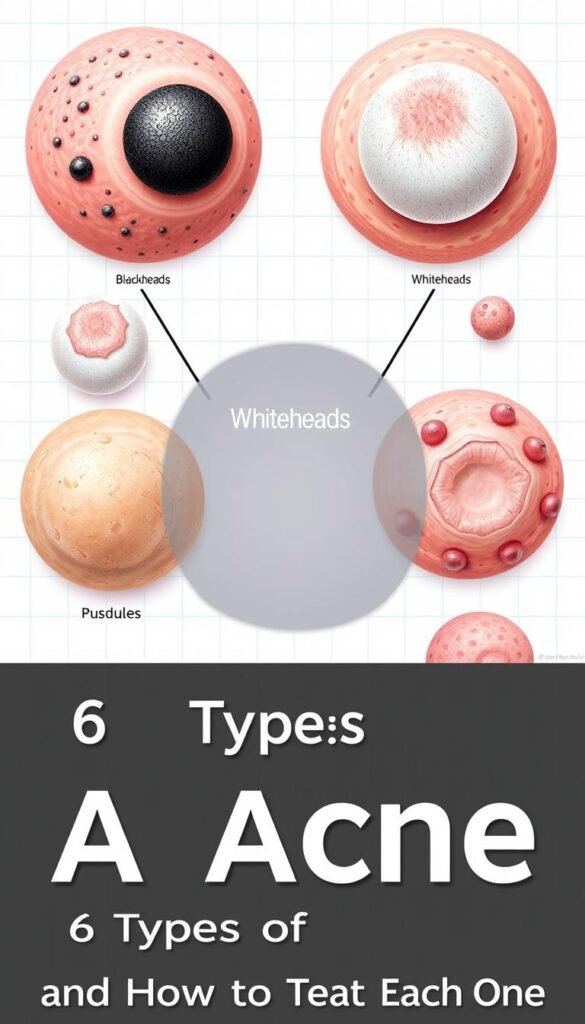
6 Types of Acne and How to Treat Each One
Your skin tells a story, and each breakout has its own chapter. I’ve learned that pimples fall into two groups: those that stay calm (noninflammatory) and those that rage (inflammatory). Knowing which category your skin battles helps pick the right weapons.
Noninflammatory cases include tiny bumps trapped under the surface. These often respond to gentle care. Inflammatory types involve swollen, tender areas needing stronger solutions. Your approach should match your skin’s specific language.
Category
Characteristics
Treatment Approach
Noninflammatory
Closed pores, minimal redness
Salicylic acid, retinoids
Inflammatory
Swollen, painful bumps
Benzoyl peroxide, antibiotics
Mild cases might need just one targeted product. For stubborn pimples, layered routines work best. Always start slow – your skin deserves patience. If redness spreads or lumps linger, that’s your cue to consult a specialist.
Remember: Clearer days begin when you decode your skin’s messages. What works for surface-level issues won’t calm deeper storms. Your journey matters – every step toward understanding brings you closer to confidence.
Noninflammatory Acne: Whiteheads and Blackheads
Your mirror reveals two familiar foes – those stubborn specks that never seem to fully disappear. While these noninflammatory blemishes might feel frustrating, they’re actually your skin’s way of whispering for help rather than screaming in distress.
Closed Doors: The Truth About Whiteheads
I’ve learned that whiteheads form when pores get clogged beneath the skin’s surface. These closed comedones look like tiny pearls with faint red halos. Their sealed environment traps oil and cells, creating perfect conditions for buildup without inflammation.
When Oxygen Changes Everything
Blackheads occur when those same clogged pores open up. Air exposure oxidizes the trapped material, turning it dark – like an apple slice browning naturally. This explains why scrubbing only irritates your skin without solving the root issue.
Feature
Whiteheads
Blackheads
Pore Status
Closed
Open
Color
Flesh-toned/white
Dark brown/black
Treatment Focus
Prevent clogging
Gentle exfoliation
My secret weapon? Salicylic acid. This counter staple dives deep into pores, dissolving blockages before they become visible. Start with 2% formulas applied every other night – consistency matters more than intensity here.
Remember: These mild blemishes respond best to patience. Squeezing might offer temporary satisfaction, but proper care delivers lasting clarity. Your skin isn’t working against you – it’s waiting for you to decode its quiet messages.
Inflammatory Acne: Papules and Pustules
When your skin sounds the alarm, it shows up as angry red bumps demanding attention. These inflamed warriors – papules and pustules – mark your body’s battle against trapped bacteria. I’ve learned they’re not enemies, but messengers revealing your immune system’s strength.
Differences Between Papules and Pustules
Papules feel like tiny mountains under your fingertips – firm, tender, and lacking visible pus. They form when pore walls collapse from intense inflammation, trapping debris deep within. Resist squeezing: these closed battles need internal resolution.
Pustules wave white flags of surrender. Their yellow centers hold a mix of defeated bacteria and protective white blood cells. Though tempting to pop, remember: rupturing spreads the fight to neighboring skin.
Feature
Papules
Pustules
Appearance
Solid red bumps
Pus-filled heads
Touch Sensitivity
Tender
Pressure-sensitive
Healing Time
7-10 days
5-7 days
My go-to treatments combine science and compassion. Benzoyl peroxide (2.5-5%) tackles pimples without over-drying. Apply spot treatments at night – your skin repairs best during sleep. For clustered bumps, sulfur masks calm the storm within three uses.
I want you to know this: Your fiery inflammatory acne proves your body’s defenses work. With targeted care, these temporary visitors leave smoother terrain behind. Every crimson pimple conquered brings you closer to skin that glows with health, not heat.
Severe Acne: Nodules and Cysts
Your skin sometimes faces battles that run deeper than surface appearances. Nodules and cysts represent acne’s most challenging forms – stubborn warriors hiding beneath your skin’s outer defenses. These deep-rooted issues demand strategic care rather than quick fixes.
How Nodules Develop Below the Surface
I’ve witnessed how nodules form through persistent irritation. Unlike common pimples, these hard lumps anchor themselves deep within your skin layers. They begin as clogged pores that swell under pressure, creating tender areas without visible heads.
Managing Painful Cysts Effectively
Cysts present a greater challenge – soft, fluid-filled lesions that throb beneath the surface. These develop when trapped bacteria multiply, creating pockets of inflammation. Unlike smaller breakouts, they often require professional intervention to prevent lasting marks.
Feature
Nodules
Cysts
Depth
Dermal layer
Subcutaneous tissue
Texture
Hard
Soft, fluid-filled
Treatment
Prescription retinoids
Dermatologist drainage
When I see clients with cystic acne, my first recommendation is always a qualified dermatologist. Over-the-counter products can’t reach these deep formations effectively. Medical options like isotretinoin or cortisone injections stop progression before scarring occurs.
Your courage in seeking help matters more than the acne’s severity. These stubborn formations don’t define your skin’s potential – they simply reveal where expert care can create transformative change. With proper treatment, even the deepest lesions heal into stories of resilience.
Additional Acne Types: Hormonal, Fungal, and Irritated
Your skin sometimes speaks in codes only visible through location and sensation. Beyond common breakouts lie three hidden patterns needing specialized care – each with distinct triggers and solutions.
Decoding Hormonal Messages
I’ve seen hormonal acne leave its signature along chins and jawlines like clockwork. These deep, stubborn pimples often surge before menstrual cycles or during life changes. Unlike surface blemishes, they respond best to internal balance – think prescription therapies targeting androgen levels rather than topical scrubs.
When Itch Meets Bump
Fungal acne plays a clever disguise. Those tiny uniform bumps along your hairline or chest? They’re yeast overgrowths feasting on sweat and oils. Antifungal shampoos or oral medications clear what standard acne treatments can’t – look for persistent itchiness as your clue.
Product-related irritation creates its own chaos. Heavy hair creams melting onto foreheads or harsh exfoliants stripping skin barriers often trigger these angry flare-ups. My rule? Simplify routines and check labels for comedogenic ingredients – your hair follicles will thank you.
Your face’s map holds answers. Whether it’s cycle-linked chin eruptions or workout-induced chest bumps, recognizing these acne variations transforms guesswork into targeted healing. Listen closely – your skin’s language reveals paths to lasting clarity.
FAQ
What actually causes my breakouts?
I’ve learned that my breakouts start when dead skin cells mix with excess sebum, clogging pores. Bacteria then thrive in these blocked follicles, causing inflammation. Stress, hormones, or even my skincare routine can tip this balance, but understanding this helps me tackle the root cause.
How do I tell whiteheads and blackheads apart?
Whiteheads feel like tiny, closed bumps under my skin, while blackheads look like small dark spots. The difference? Blackheads oxidize when exposed to air, giving them that signature color. Both need gentle exfoliation, but I avoid squeezing—patience and salicylic acid work better!
Why do papules and pustules hurt more?
Papules are tender, red bumps without pus, while pustules have that visible whitehead. The pain comes from inflammation deep in my pores. I use benzoyl peroxide to calm redness and never pop them—trust me, it’s not worth the scarring.
How do I manage painful cystic acne?
Cysts are deep, stubborn, and *hurt*. My dermatologist recommended prescription treatments like retinoids or cortisone shots. At home, ice packs and avoiding heavy creams help reduce swelling. It’s a marathon, not a sprint, but consistency pays off.
Is hormonal acne different from regular breakouts?
Absolutely! Mine flares around my chin and jawline before my cycle. Hormones spike oil production, leading to deep, sore bumps. Birth control or spironolactone helped me, alongside spot treatments. Listening to my body’s rhythm made all the difference.
Can sweat really make my acne worse?
Yes—sweat mixes with bacteria and oils, clogging pores if left sitting. After workouts, I rinse immediately and use oil-free moisturizers. Lightweight, non-comedogenic products keep my skin breathing while staying active.
What’s the best way to treat clogged pores?
I swear by double cleansing and chemical exfoliants like salicylic acid. It dissolves debris without stripping my skin. Consistency is key—over-scrubbing irritates, but a steady routine keeps pores clear and my confidence high.
When should I see a dermatologist for acne?
When over-the-counter products stall or my skin feels overwhelming, I book an appointment. Severe nodules, cysts, or scarring need expert care. My dermatologist tailored a plan that changed my skin—and my self-esteem.