“Confidence is the best makeup any woman can wear,” said Maya Angelou. But when breakouts strike, even the most confident among us might crave a little extra support. I know this struggle firsthand—racing to hide redness before a big event, only to feel like my makeup emphasized texture instead of blending it.
This Website contains affiliate links. That means I may earn a small commission if you purchase through my links, at no extra cost to you.
As someone who’s navigated years of unpredictable skin, I’ve learned that covering acne isn’t about masking imperfections. It’s about working with your skin, not against it. Dermatologist Jeffrey Hsu warns that improper product choices can worsen breakouts, which is why technique matters as much as talent.
My journey taught me that makeup can be a tool for self-expression, not a shield. When applied thoughtfully, it lets your natural beauty shine through while your skin heals. The right approach balances coverage with care, using formulas that respect your skin’s needs.
Through trial and error, I discovered methods that transform frustration into confidence. These aren’t quick fixes but sustainable strategies—ways to enhance your look without compromising your skin’s health. Let’s explore how to turn makeup into an ally, empowering you to face the world with grace.
Key Takeaways
Makeup application should complement skin health, not worsen acne
Proper product selection prevents clogged pores and irritation
Technique matters more than heavy coverage for natural results
Skincare prep creates the ideal base for makeup longevity
Confidence grows when makeup enhances rather than conceals
Introduction
Acne taught me that true confidence starts before I even pick up a makeup brush. I’ll never forget those mornings spent tracing angry red marks in the mirror, convinced everyone would notice them before seeing me. Makeup felt like a lifeline – until cakey concealer made my texture worse.
From Shame to Self-Expression
My turning point came when a dermatologist told me: “Your skin isn’t the enemy – it’s asking for help.” I stopped trying to bury breakouts under thick layers and started choosing breathable formulas. Instead of hiding, I learned to enhance my cheekbones and eyelashes, drawing attention to features I loved.
Breakouts still happen, but now I see them as temporary visitors rather than permanent flaws. I’ve embraced green color correctors instead of heavy foundations, realizing that strategic coverage looks more natural than full camouflage. On tough days, I remind myself that clear skin doesn’t define my worth.
This journey showed me makeup’s power to uplift rather than conceal. When I stopped fighting my face and started working with it, every application became an act of kindness. Now I share these lessons hoping others discover that same freedom – where makeup celebrates individuality instead of masking it.
Understanding the Role of Makeup in Acne Coverage
Walking through Sephora’s aisles taught me makeup’s dual nature—it can either empower or exacerbate. After years of trial and error, I realized cosmetics aren’t villains or saviors. They’re tools needing thoughtful handling. Dermatologist Jeffrey Hsu’s warning echoes in my mind: “Every product choice impacts your skin’s story.”
How Makeup Can Conceal Without Causing Breakouts
I discovered the magic of non-comedogenic formulas during a stressful finals week. My go-to foundation now contains salicylic acid—it covers redness while treating emerging bumps. The secret lies in application: patting concealer with clean fingers prevents bacteria transfer better than brushes.
Three lessons transformed my approach:
Oil-free primers create protective barriers between makeup and active breakouts
Mineral powders reduce shine without suffocating pores
Weekly brush cleaning stops product buildup that triggers flare-ups
The Difference Between Camouflage and Treatment
Makeup became my ally when I stopped expecting miracles from it. While green correctors neutralize redness, they don’t heal inflamed skin. I learned this the hard way after using thick concealers that trapped sebum.
Dr. Hsu’s advice changed everything: “Your nighttime skincare does the heavy lifting—makeup just dresses the wound.” Now I choose products listing “acne-prone skin” on labels, avoiding coconut oil and lanolin. The result? Coverage that comforts without compromising.
6 Pro Tips to Cover Acne Flawlessly
Perfecting my makeup routine felt like solving a puzzle until I cracked the code for blemished skin. These methods transformed my relationship with cosmetics from frustration to empowerment—let me show you how they can work for you.
Why These Tips Work for Acne-Prone Skin
Traditional makeup approaches often suffocate pores, but these strategies prioritize skin-friendly application. I learned that lightweight layers let your complexion breathe while neutralizing redness. The table below shows how this method outperforms conventional techniques:
Factor
Traditional Approach
Recommended Method
Coverage Method
Thick foundation
Sheer layers
Product Weight
Heavy formulas
Breathable textures
Skin Interaction
Clogs pores
Supports healing
Finish
Cakey appearance
Natural radiance
Maintenance
Frequent touch-ups
All-day wear
Real-Life Insights from My Experience
During a client presentation last month, I used these techniques to conceal a cluster of pimples. Starting with a green-tinted primer, I built coverage gradually using a damp sponge. The result? Compliments on my “glow”—not a single comment about breakouts.
Here’s what changed my results:
Applying products to moisturized skin prevents patchiness
Color-correcting before concealing cuts coverage time in half
Blending outward from inflamed areas reduces irritation
These approaches taught me that less truly is more when working with reactive skin. Now I focus on enhancing my favorite features rather than hiding imperfections—a mindset shift that shows in every confident smile.
Step-by-Step Acne Makeup Routine
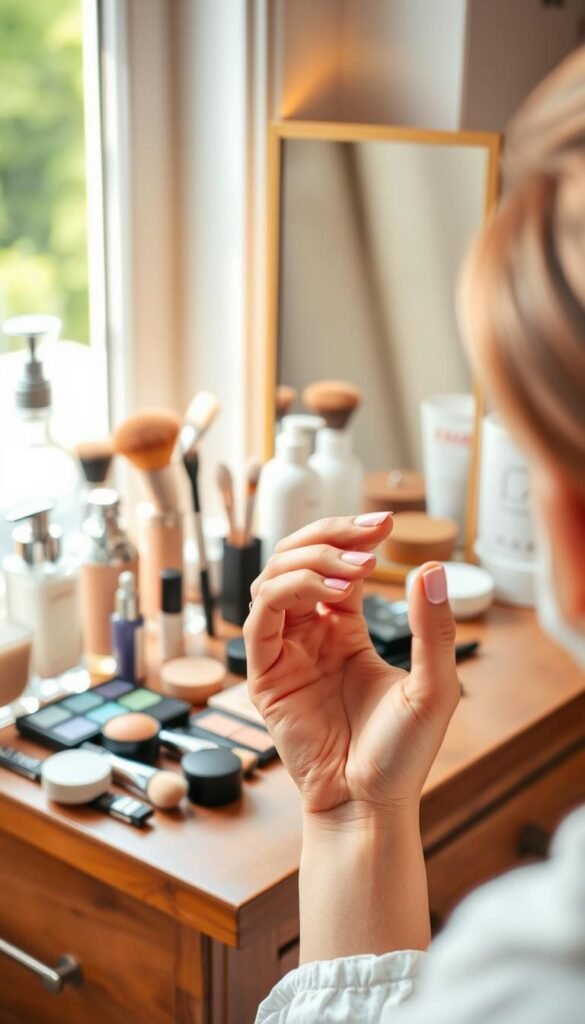
Mastering my morning routine became transformative when I stopped rushing through steps. Let me walk you through the exact process that lets my skin breathe while creating flawless coverage.
Starting with a Clean Slate: Cleansing and Priming
I begin every makeup session by washing my face with lukewarm water and a gentle cleanser. This removes overnight oils without stripping moisture. Patting skin dry with a clean towel prevents irritation—a lesson learned after using rough washcloths worsened my texture.
Next comes my acne treatment serum. I wait 10 minutes before applying sunscreen, letting active ingredients penetrate properly. The real game-changer? Using a non-comedogenic primer that smooths bumps like a velvet blanket over uneven terrain.
Layering Color-Correcting Concealer and Foundation
Green corrector gets dabbed only on angry red spots using a sanitized fingertip. For dark marks, I reach for peach tones—this color theory magic makes concealer work smarter, not harder. My step-by-step guide to concealing acne taught me to layer thin products rather than pile on thick formulas.
Foundation goes on with a damp sponge, bouncing motions blending edges seamlessly. I build coverage gradually, focusing on problem areas while letting clear skin shine through. This technique maintains natural dimension instead of creating a flat mask.
Finishing Touches: Setting Powder and Detail Work
A fluffy brush applies translucent setting powder only where needed—usually my T-zone and active breakouts. I avoid dragging powder across fresh concealer, instead pressing it gently into place. The final look? Skin that appears cared for, not camouflaged.
On days when I want extra glow, I’ll add liquid highlighter to cheekbones after powder sets. This draws attention upward, making breakouts less noticeable without clogging pores. The routine ends with misting a hydrating spray to melt layers together.
Choosing the Right Acne-Friendly Products
Decoding makeup labels became my superpower when I realized every product choice could either calm or inflame my skin. Through countless trials and breakout disasters, I discovered that true coverage begins with understanding what’s in your cosmetics. The right formulas don’t just conceal—they collaborate with your skin’s healing process.
Identifying Non-Comedogenic Formulas
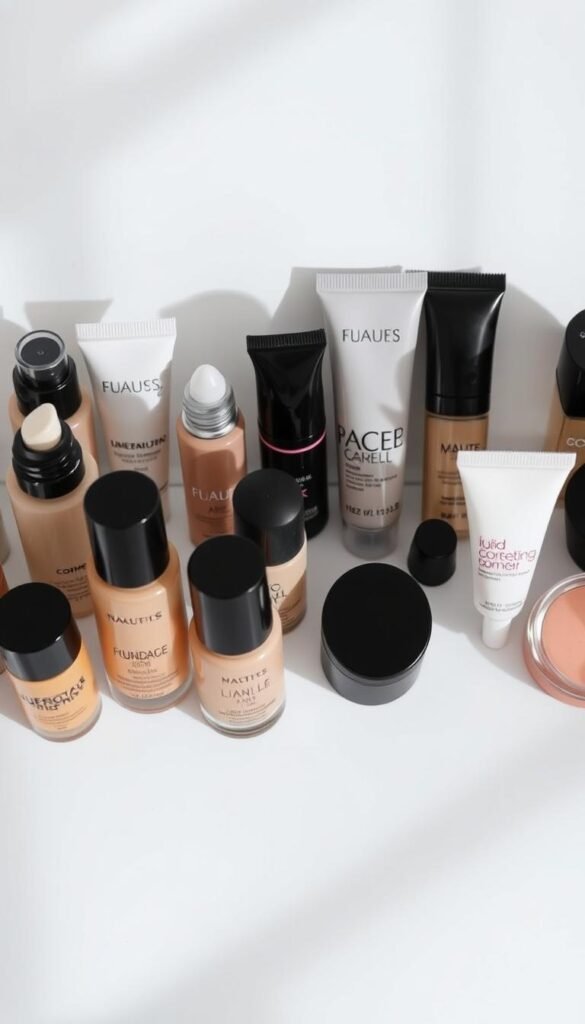
My bathroom shelf transformed when I prioritized mineral-based powders and oil-free foundations. These discoveries changed everything:
Products labeled “non-comedogenic” became my gold standard—they’re clinically tested to avoid pore-clogging
Lightweight textures like mousse concealers provide coverage without suffocating active breakouts
Brands specializing in acne-prone formulations often include soothing ingredients like zinc oxide
Ingredients That Betrayed My Skin
I learned the hard way that “natural” doesn’t mean safe for blemishes. These components now trigger instant rejection:
Silicones creating plastic-like barriers that trap bacteria
Talc powders causing desert-like dryness around healing spots
Switching to breathable alternatives felt like giving my skin room to dance. Now I seek products doubling as skincare allies—like foundations with salicylic acid or concealers containing tea tree extract. This approach lets makeup enhance while helping skin recover.
Additional Tips and Makeup Mistakes to Avoid
My bathroom shelf once overflowed with products promising miracles—until I realized some “solutions” were sabotaging my skin. Through trial and error, I discovered that avoiding certain habits matters as much as perfecting techniques.
Common Errors That Can Worsen Breakouts
Early in my journey, I scrubbed inflamed areas with rough brushes, thinking exfoliation would help. Instead, I spread bacteria and worsened redness. Dermatologist Dr. Hadley King confirms: “Aggressive physical exfoliation damages acne-prone skin’s delicate barrier.”
Three critical mistakes I now avoid:
Reusing unwashed sponges (they harbor more germs than toilet seats!)
Layering multiple thick products that suffocate pores
Touching my face to adjust makeup without sanitizing hands
Effective Makeup Removal and Skincare Habits
My skin transformed when I prioritized removal as carefully as application. I start with an oil-based cleanser to dissolve makeup, followed by a gentle acid wash containing mandelic acid. This two-step process lifts debris without stripping moisture.
Key evening rituals:
Swapping washcloths daily—microfiber ones dry faster to prevent bacterial growth
Using lukewarm water instead of hot, which can irritate healing blemishes
Applying treatment serums immediately after patting skin dry
I learned through common makeup mistakes that consistency matters most. Now I keep micellar water and cotton pads bedside for exhausted nights. These small acts of care maintain my skin’s balance—proving that true beauty begins when makeup comes off.
Conclusion
My mirror used to whisper doubts, but now it reflects possibilities. Through every breakout and healing phase, I’ve discovered that makeup becomes powerful when it celebrates rather than conceals. Those stubborn spots? They’re temporary visitors, not permanent residents.
Remember: the goal isn’t perfection. It’s creating a breathable canvas that lets your confidence lead. When you master acne-friendly makeup techniques, you’re not hiding—you’re highlighting resilience. Your skin deserves formulas that nurture while they cover.
Scars and active breakouts respond best to patience. Build coverage like you’d build trust—layer by gentle layer. What matters most shines through: your laugh lines, curiosity, and the spark in your eyes.
I still have days where redness tests my resolve. But now I know—makeup works best as a collaborator, not a critic. Your beauty exists beyond texture or tone. Let these methods remind you of that truth every time you pick up a brush.
FAQ
Can makeup actually make acne worse?
Yes, if you use heavy, pore-clogging formulas. I always choose non-comedogenic products labeled “oil-free” or “acne-safe” to avoid irritation. Look for brands like Neutrogena or Clinique that prioritize skin-friendly ingredients.
How do I cover raised pimples without drawing attention?
Layering is key. I start with a green color corrector to neutralize redness, then dab a full-coverage concealer like NARS Soft Matte. Press—don’t rub—with a tiny brush, and set with translucent powder to keep it locked all day.
What’s the biggest mistake people make when covering acne scars?
Using too much product. I’ve learned that less is more. Build thin layers of a hydrating concealer (try IT Cosmetics Bye Bye Breakout) and blend outward. A damp beauty sponge helps melt makeup into the skin for a natural finish.
Should I skip foundation if I’m breaking out?
Not necessarily! I opt for lightweight, buildable formulas like Fenty Beauty Pro Filt’r Soft Matte. Focus on evening out your skin tone first with a color-correcting primer—it reduces the need for heavy foundation later.
How do I prevent makeup from caking around dry, flaky acne?
Exfoliation and hydration saved me. I gently buff away dead skin with Paula’s Choice 2% BHA Liquid, then slather on a silicone-free moisturizer. A dewy setting spray (Morpus Prep + Set) keeps everything looking fresh, not crusty.
Is it safe to wear makeup while using acne treatments?
Absolutely, but timing matters. I wait 10 minutes after applying my prescription retinoid before priming. Always remove makeup with a micellar water (Bioderma Sensibio is my ride-or-die) to avoid stripping your skin’s moisture barrier overnight.