“The beauty of a woman must be seen from in her skin, because it is the soil that must be loved to sustain life itself.” – Audrey Hepburn’s words ring painfully true when your complexion feels more like cracked earth than fertile ground. I learned this the hard way after turning my once-resilient face into a reactive battlefield of flaking patches and stubborn redness.
This Website contains affiliate links. That means I may earn a small commission if you purchase through my links, at no extra cost to you.
Our body’s largest organ is a marvel of biology – a living shield made of delicate layers that lock in moisture while fending off environmental assaults. But like overwatering a cactus, my enthusiasm for skincare became toxic. What began as minor dryness spiraled into tightness that made smiling uncomfortable and sensitivity so severe that even water stung.
Through months of research and consultations, I discovered how everyday habits were stripping my protective layer thinner than tissue paper. The road to recovery taught me that true radiance comes from working with your skin’s natural rhythms, not against them. This isn’t just about swapping products – it’s about rewriting your relationship with your body’s first line of defense.
Key Takeaways
- Over-cleansing and harsh exfoliants often cause more harm than good
- Ceramides and fatty acids are essential for maintaining protective layers
- Repair requires patience – visible improvement takes 4-6 weeks
- Environmental factors like hard water impact barrier health
- Simpler routines often yield better long-term results
Understanding Your Skin Barrier and Its Vital Role
My healing journey began when I finally grasped what makes our protective outer layer so remarkable. This biological marvel functions like a high-tech security system – silent but vital to every aspect of complexion health.
What Exactly is the Skin Barrier?
The surface barrier consists of three key elements working in sync. Dead skin cells (corneocytes) form the top layer, glued together by natural moisturizers like ceramides and fatty acids. Beneath this lies a thriving ecosystem of microorganisms maintaining a slightly acidic pH – nature’s perfect antibacterial shield.
Here’s what makes this system extraordinary:
| Component | Function | Renewal Time |
|---|---|---|
| Corneocytes | Physical protection | 2 weeks |
| Lipid Matrix | Moisture retention | 6 weeks |
| Skin Biome | pH regulation | Ongoing |
The Functions and Importance of a Healthy Barrier
A robust moisture barrier performs five critical roles simultaneously. It locks in hydration while blocking pollutants, fights microbes, neutralizes environmental damage, supports immunity, and provides natural sun protection. This multi-tasking powerhouse explains why damage causes cascading issues – from dryness to increased sensitivity.
Learning about the stratum corneum’s six-week renewal cycle changed everything. True repair isn’t about quick fixes but supporting this natural rhythm. When we work with our biology rather than against it, that’s when lasting healing begins.
When Good Intentions Backfire: Lessons From My Barrier Breakdown
Looking back, my quest for perfect skin became its own enemy. Three critical errors turned my complexion into a fragile shell – each one a lesson in biological betrayal.
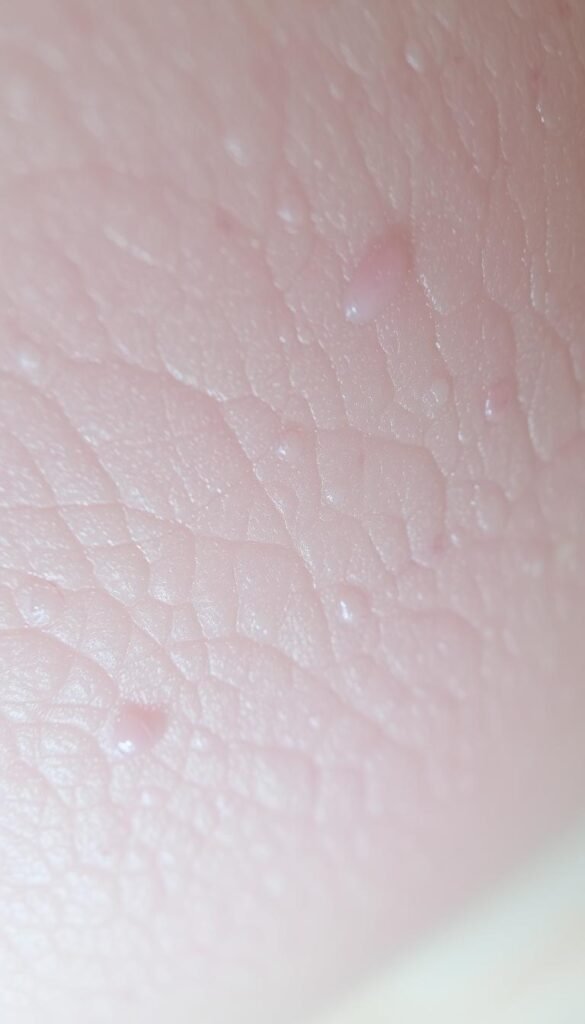
Over-Cleansing and Using Harsh Ingredients
My morning ritual felt virtuous – scalding water and minty foams scrubbing away “impurities.” Little did I know, these cleansers were dissolving the fatty acids holding my protective layer together. By evening, tightness crept in like shrink-wrap.
Excessive Exfoliation and Active Overload
Chemical peels became my addiction. That instant glassy finish masked the truth – acids were eating through corneocytes faster than my body could replace them. When rashes outnumbered radiance days, I finally understood: exfoliation isn’t a race.
Ignoring the Need for Intensive Moisture
“Moisturizer causes breakouts,” I insisted, patting on yet another acid toner. My skin barrier wasn’t oily – it was desperately pumping sebum to compensate for dehydration. The turning point came when aloe vera gel stung like battery acid.
These missteps created a perfect storm. Stripped lipids. Disrupted pH. Ravaged microbiome. My face became a hostile environment where even water felt threatening. But crisis breeds clarity – I began rebuilding using nature’s blueprint rather than fighting it.
How I Fixed My Skin Barrier: A Step-by-Step Repair Guide
The path to recovery wasn’t about addition, but subtraction. After years of product overload, I discovered healing happens when we create space for our skin to breathe. My three-product routine became the foundation – a gentle cleanser, rich moisturizer, and mineral sunscreen working in harmony.
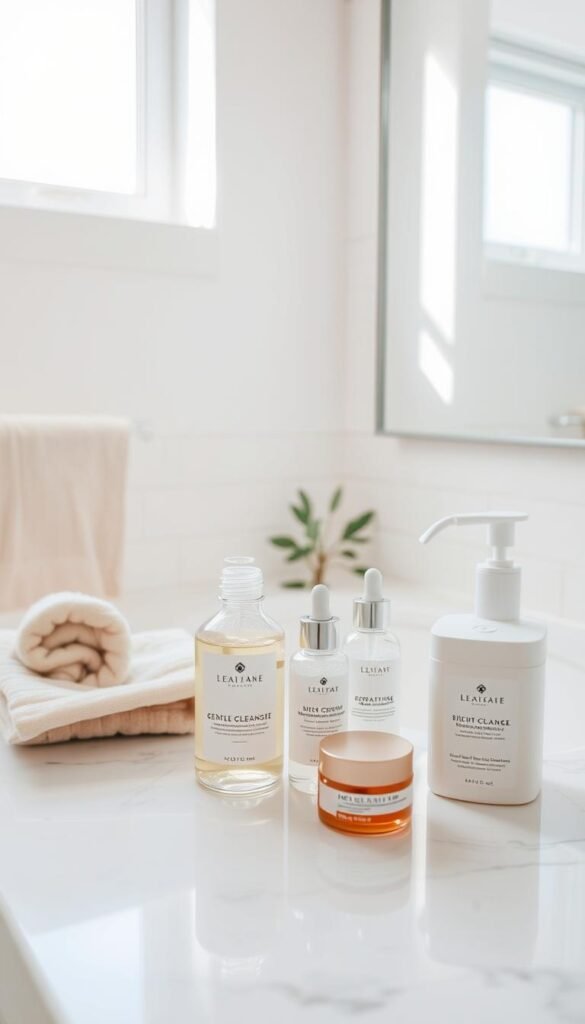
Simplifying My Skincare Routine
Mornings began with lukewarm water rinses instead of harsh foams. I patted skin dry like handling antique silk, then slathered on a moisturizer so thick it left temporary fingerprints. Mineral sunscreen became my armor against environmental stressors.
Evenings transformed into sacred rituals. A pH-balanced cleanser removed impurities without stripping. I layered hydration like wrapping my face in liquid cashmere, sometimes sealing it with ointment during flare-ups. The golden rule? No scrubbing, no actives, no exceptions.
Gradually Reintroducing Barrier-Friendly Ingredients
After four weeks of calm, I started testing ceramide serums. The two-week waiting period between new products felt agonizing but necessary. Each addition required military-grade observation – slight tingles meant immediate retreat.
This slow process taught me to distinguish between true nourishment and superficial fixes. When my complexion finally glowed without stinging, I knew the barrier repair was working. Healing occurs in layers, much like the skin itself.
Key Products and Ingredients for Skin Barrier Repair
Rebuilding my complexion’s defenses required becoming an ingredient detective – decoding labels to find components that truly nourish rather than just temporarily soothe. This phase taught me that moisture isn’t a single solution, but a layered strategy combining science and nature’s wisdom.
Hydration Heroes That Work With Biology
Squalane became my revelation – a featherlight oil mimicking the skin’s natural sebum. Unlike heavier oils, it sank deep like liquid silk, delivering lasting moisture without clogging pores. Paired with ceramide-rich products, it helped reconstruct my lipid matrix brick by brick.
Humectants revealed their magic through trial. Hyaluronic acid plumped temporarily, but beta-glucan formed a protective veil locking in hydration for hours. The real game-changer? Layering glycerin under ceramide moisturizer created a moisture sandwich that survived windy commutes.
The Gentle Chemistry of Healing
pH balance transformed from abstract concept to non-negotiable rule. I discovered through research that using a pH-balanced cleanser was crucial, as outlined in this guide to fix a damaged moisture barrier. Formulas hovering around 5.5 became my gold standard – gentle enough for morning rinses yet effective at maintaining my skin’s acidic armor.
Botanical actives like bisabolol surprised me. Chamomile-derived and fragrance-free, they calmed redness better than prescription creams. These discoveries proved that healthy skin thrives on simplicity – fewer ingredients, smarter choices, and respect for our body’s innate repair mechanisms.
Lifestyle Adjustments and Ongoing Prevention Strategies
True healing revealed that radiant skin isn’t just about what we apply – it’s how we live. Every choice became intentional, from morning rituals to bedtime habits, creating a safety net for my fragile moisture barrier.
Adapting My Daily Routine for Long-Term Health
I traded late-night scrolling for silk pillowcases and 8-hour sleep windows. Hydration took center stage – not just topical water, but drinking enough to plump cells from within. Meals became colorful with omega-rich foods, while stress management shifted from perfunctory to non-negotiable.
Protecting Against Environmental Stressors
Sun protection evolved beyond SPF 30. I timed errands before 10 AM, wore wide-brimmed hats religiously, and discovered that car windows filter only partial UV rays. Indoors, a humidifier combated air conditioning’s moisture-sucking effects – maintaining 40-60% humidity became my golden rule.
Pollution defense surprised me most. Double cleansing at night removed particulate matter, while antioxidant serums neutralized free radicals. Recognizing early signs of compromise became crucial – this guide on repairing a damaged moisture became my bible.
Key lifestyle shifts:
- Silk scarves as windbreakers during harsh weather
- Anti-inflammatory turmeric lattes replacing afternoon espresso
- 15-minute meditation sessions to lower cortisol spikes
These changes taught me that barrier health thrives on consistency. Like tending a garden, prevention requires daily nurturing – but the harvest of resilient, glowing skin makes every effort worthwhile.
Conclusion
This journey taught me our moisture barrier functions like a wise guardian – resilient yet delicate. Through trial and error, I discovered that true radiance blooms when we nurture rather than conquer. While repair damaged skin requires patience, the rewards extend far beyond surface-level changes.
Healthy skin care isn’t about chasing perfection. It’s embracing your unique skin type while shielding its natural defenses. For those rebuilding their protective layer, remember: every gentle cleanser applied and ceramide-rich product chosen becomes a love letter to your body’s living armor.
If you’re navigating similar struggles, this science-backed guide to barrier repair offers invaluable insights. Your face deserves more than quick fixes – it craves the steady rhythm of care that honors its biological wisdom. Start today, and let time reveal the resilient glow waiting beneath the surface.