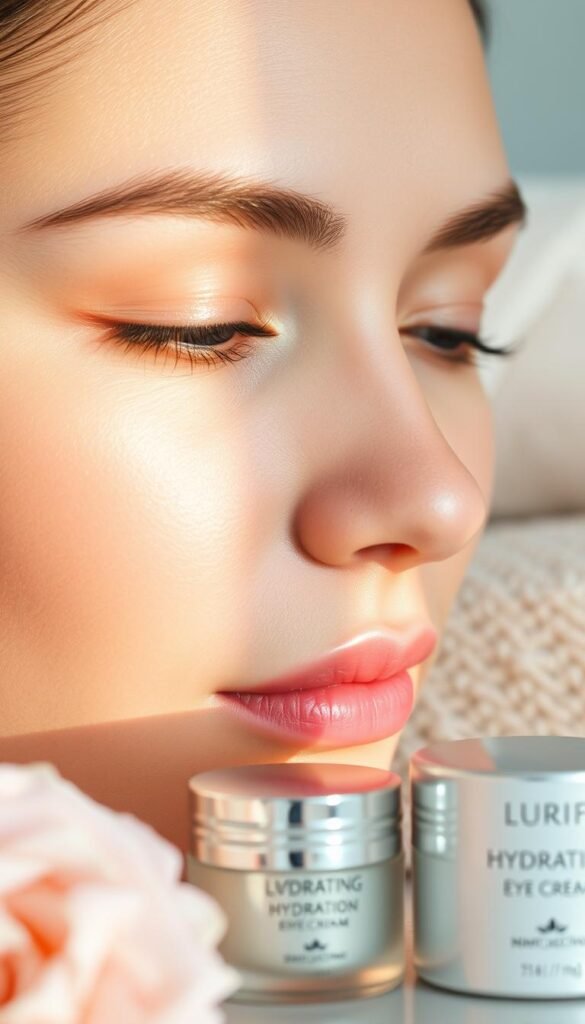
“Beauty is about being comfortable in your own skin. It’s about knowing and embracing who you are.” – Ellen DeGeneres. What if the very feature you’ve tried to hide could become your signature? The delicate area around your eyes, with skin thinner than a credit card, naturally reveals subtle shadows. These dark circles aren’t flaws—they’re part of your unique story.
This Website contains affiliate links. That means I may earn a small commission if you purchase through my links, at no extra cost to you.
For decades, society framed under-eye shadows as something to erase. But beauty standards are shifting. Millions now see their circles as artistic accents rather than imperfections. Instead of masking them, why not enhance their depth and contrast? Imagine turning what you once hid into a bold, intentional part of your appearance.
This isn’t about ignoring self-care. It’s about redefining it. Your eyes hold character, and their natural contours deserve celebration. Let’s explore how to reframe your perspective—and maybe even fall in love with the features that make you unmistakably you.
Key Takeaways
Dark circles are a natural part of facial anatomy due to ultra-thin under-eye skin
Society’s beauty standards are evolving to embrace unique features like under-eye shadows
Enhancing rather than hiding circles creates distinctive visual appeal
Millions worldwide are redefining dark circles as artistic assets
Self-acceptance begins with recognizing beauty in perceived imperfections
Understanding the Mechanics of Dark Circles
What if your under-eye shadows aren’t flaws but fascinating biological features? The eye area reveals intricate processes through its translucent canvas. Let’s explore how genetics, time, and biology collaborate to create these distinctive markers.
Causes and Contributing Factors
Two primary types shape under-eye shadows. Blood vessel-related circles emerge when delicate capillaries show through thinning skin, creating natural blue-purple hues. These become more prominent as collagen diminishes with age.
Melanin-rich variations often trace back to genetic heritage. They serve as living connections to ancestry, with pigmentation patterns as unique as fingerprints. Both types gain visibility through life experiences like sun exposure or allergies.
Type
Color
Main Causes
Age Impact
Blood Vessel
Blue/Purple
Thinning skin
30% thickness loss post-menopause
Melanin
Brown
Genetics/sun exposure
1% collagen loss yearly after 25
Combination
Mixed
Allergies + genetics
Accelerated by rubbing/dryness
The Science Behind Under-Eye Skin Thinness
The orbital skin measures just 1mm thick—thinner than onion paper. This transparency lets blood vessels and pigment layers create dimensional depth. From our mid-20s, collagen depletion reveals more of these natural structures.
Sun adventures leave artistic imprints too. UV exposure enhances pigmentation, while lifestyle factors like hydration levels affect skin texture. These elements combine to craft your one-of-a-kind ocular landscape.
Embracing a New Perspective on Dark Circles
The beauty revolution isn’t coming—it’s already here. Across social media and runways, a seismic shift is unfolding as people transform perceived flaws into focal points. Your under-eye shadows aren’t mistakes needing correction. They’re brushstrokes in a living portrait.
Redefining Beauty Standards
History reveals surprising truths. In Moroccan and South Indian traditions, deeper under-eye tones symbolize wisdom earned through lived experience. “My grandmother called them ‘storyteller’s marks’” shares model Laila Nour. This cultural wisdom challenges modern perfection myths.
Today’s movement goes beyond tolerance. Influencers like Jazzmyne Robbins showcase their natural eyes with pride, sparking viral conversations. Their message? Features that deviate from airbrushed ideals create magnetic, unforgettable appearance.
Celebrating Unique Features Around the Eyes
Your ocular landscape holds coded messages. The faint purple hue? A testament to late-night creative bursts. The warm brown tones? A genetic handshake from ancestors. Each variation reflects your body’s intelligent design.
By reframing circles as artistry rather than accidents, you join millions rewriting beauty rules. As dermatologist Dr. Angelo Thrower notes: “What we call ‘flaws’ are often just biology being beautifully human.”
This mindset shift liberates energy spent on concealment. Instead, highlight your eyes’ natural contours with sheer washes of color or strategic lighting. Let your gaze become a conversation starter about authenticity in a filtered world.
5 Ways to Make Dark Circles Aesthetic (Yes, Really!)
Your eyes tell stories deeper than any concealer can cover. Let’s explore how makeup artists and beauty innovators transform under-eye shadows into intentional design elements. These methods celebrate your natural contours while creating striking visual effects.
Innovative Techniques and Product Strategies
Strategic highlighting redefines shadows as artistic tools. A champagne-toned eyeshadow dabbed above your natural crease creates depth, making eyes appear wider. “We’re not hiding – we’re sculpting light,” explains celebrity makeup artist Tasha Reiko Brown.
Color theory becomes your secret weapon. Those with blue-purple undertones glow when paired with terracotta liners, while ash-brown shadows pair beautifully with metallic mauves. This approach turns your unique pigmentation into a color-matching advantage.
Technique
Purpose
Product Types
Light Reflection
Enhances eye shape
Liquid highlighters
Color Correction
Balances undertones
Creamy concealers
Smoke Effects
Adds drama
Soft kohl pencils
Editorial contouring takes inspiration from fashion runways. Blend matte taupe shadow along your orbital bone to intensify your gaze. This method mimics professional photoshoot techniques, using your natural shadows as built-in depth.
Colored mascaras offer unexpected harmony. Navy blue amplifies warm skin tones, while burgundy makes green eyes pop. These choices create cohesion between your appearance and cosmetic enhancements.
Minimalist approaches prove most powerful. A single coat of brown mascara and hydrated skin let your circles shine as intentional features. As skincare expert Lori Taylor advises: “When you stop fighting your face, magic happens.”
Hydration and Skincare Essentials for the Eye Area
Your under-eye canvas deserves more than camouflage—it craves nourishment. The eye area thrives when treated like fine silk, requiring specialized care to maintain its delicate balance. As we age, our skin loses 30% of its moisture-binding ceramides, turning hydration into both science and art.
Best Practices for Moisturizing Delicate Skin
Start with damp skin—this simple trick boosts absorption by 70%. Pat (never rub) a hyaluronic acid serum across orbital bones, letting it pull water molecules into thirsty cells. Follow with a ceramide-rich cream to seal this liquid gold into your skin’s architecture.
Dermatologists swear by the “sandwich method”:
1. Hydrating toner mist
2. Pea-sized serum application
3. Occlusive moisturizer
This trio creates a protective cocoon that lasts through desert-dry climates and late-night screen sessions.
Key Ingredients to Lock in Hydration
Your eye area needs architects and bricklayers. Humectants like glycerin attract moisture, while ceramides rebuild cracked cellular walls. For those with deeper tones, vitamin C serums help even texture without stripping natural pigments.
Ingredient
Function
Product Types
Hyaluronic Acid
Holds 1000x its weight in water
Serums
Ceramides
Repairs moisture barrier
Creams
Squalane
Mimics natural oils
Balms
“Hydrated skin reflects light like dewdrops on spiderwebs,” observes aesthetician Mara Veintimilla. When your skin glows with health, those natural shadows become depth markers in your beauty landscape rather than flaws to fight.
The Role of Gentle Cleansing and Exfoliation
Your daily skincare ritual begins with honoring your skin’s delicate nature. The around eyes area requires mindful care – think silk preservation rather than scrubbing dishes. As we mature, tenderness becomes the ultimate act of self-love.
Selecting a Non-Irritating Cleanser
Harsh surfactants strip delicate areas like desert winds. Avoid sulfates (SLS/SLES) and synthetic fragrances – these disrupt moisture barriers. Creamy formulas with oat extract clean without punishment.
Water temperature matters. Lukewarm rinses preserve protective oils better than hot alternatives. Imagine washing precious lace – gentle motions with pH-balanced products keep your around eyes zone calm.
Effective Exfoliation Methods for Fresh-Looking Skin
Enzyme-based formulas dissolve dead cells like morning fog. For mature complexions, lactic acid smooths texture while maintaining hydration.
Limit physical scrubs to weekly use. Over-exfoliation increases exposure to environmental stressors. As experts note: “Polish, don’t punish. Your eye area reveals care quality through its glow.”
Pair these practices with antioxidant-rich day creams. Your natural contours will reflect light like moonlit water – luminous and uniquely yours.
Harnessing Retinol and Advanced Skin Ingredients
Modern skincare offers tools to enhance your natural canvas rather than erase it. Strategic use of science-backed ingredients strengthens your skin’s architecture, letting its inherent beauty shine through. This approach transforms your nighttime routine into a ritual of empowerment.
Benefits of Retinol and Its Alternatives
Retinol remains unmatched in boosting collagen production – studies show a 40% increase in skin thickness after six months of consistent use. While prescription-strength options work fastest, gentle retinol eye creams offer gradual improvements perfect for delicate areas.
For sensitive complexions, bakuchiol emerges as a plant-powered ally. This vitamin-rich alternative reduces irritation while improving texture. Pair either ingredient with niacinamide – research confirms this duo strengthens moisture barriers better than solo treatments.
Introducing Actives Gradually for Best Results
Start slow: apply retinol twice weekly after moisturizer. Mild tingling means it’s working; burning signals overuse. “Think marathon, not sprint,” advises dermatologist Dr. Hadley King. Over eight weeks, increase frequency as your skin adapts.
Night becomes your transformation window. Layer hydrating serums beneath actives to cushion delicate areas. Morning brings non-negotiable SPF – retinoids make collagen thrive but demand sun protection. With patience, you’ll witness your natural features gain definition and luminosity.
Protecting Your Skin with Sunscreen and Antioxidants
Your eye area’s natural beauty thrives when shielded from modern life’s stressors. Think of daily defense as self-expression – preserving your unique features while letting them shine. This isn’t about hiding, but fortifying your canvas against forces that dull its radiance.
Daily Sunscreen Benefits for the Under-Eye Area
UV rays don’t discriminate. They accelerate collagen breakdown and deepen pigmentation in delicate zones. A mineral-based sunscreen with zinc oxide becomes your invisible shield. Studies show daily use reduces dark circles caused by sun damage by 40% over six months.
Apply SPF 30+ even on cloudy days. The orbital area absorbs 50% more exposure than cheeks. Lightweight formulas prevent irritation while blocking rays that worsen shadows. “Protection is the ultimate act of self-love,” notes dermatologist Dr. Mina Amin.
The Role of Antioxidants in Preventing Pigmentation
Free radicals from pollution and blue light magnify pigmentation concerns. Vitamin C serums neutralize these invaders while brightening naturally. Paired with sunscreen, they create a one-two punch against environmental stressors.
Nighttime brings repair opportunities. Green tea extracts and resveratrol replenish skin’s defenses. These powerhouses fade existing discoloration while preventing new pigment clusters. For those seeking strategic defense, this duo minimizes shadows better than concealers alone.
Your eyes deserve armor that enhances their story. With consistent care, those natural contours become testaments to resilience – beautifully protected, undeniably yours.
FAQ
What causes dark circles under the eyes?
Genetics, thinning skin, and visible blood vessels are common causes. Lack of sleep, dehydration, and sun exposure can worsen their appearance. Aging also reduces collagen, making the under-eye area more translucent.
Can dark circles ever look stylish or intentional?
Absolutely! Embrace them with confidence. Pair bold eyeliner or metallic eyeshadows to draw attention to your eyes. Celebrities like Ashley Graham and Lily Collins have normalized dark circles as part of their signature looks.
How does retinol help improve the eye area?
Retinol boosts collagen production, thickens skin, and reduces pigmentation. Start with low concentrations (like RoC Retinol Correxion Eye Cream) twice weekly to avoid irritation. Always follow with sunscreen during the day.
What’s the best way to hydrate delicate under-eye skin?
Use fragrance-free creams with hyaluronic acid (CeraVe Eye Repair Cream) or squalane (Biossance Squalane + Peptide Eye Gel). Apply with your ring finger using gentle patting motions—never tugging.
Why is sunscreen critical for dark circle prevention?
UV rays break down collagen and increase melanin production. Opt for mineral sunscreens with zinc oxide (Neutrogena Ultra Sheer Liquid) to protect thin under-eye skin without causing milia.
Are there quick fixes for reducing puffiness?
Chill spoons or jade rollers in the fridge for 10 minutes, then glide them under eyes. Caffeine-based serums (The Ordinary Caffeine Solution) constrict blood vessels for an instant refreshed look.
How can antioxidants improve under-eye concerns?
Vitamin C (SkinCeuticals AOX+ Eye Gel) brightens and neutralizes free radicals from pollution. Green tea extract in products like Kiehl’s Avocado Eye Cream also reduces inflammation and oxidative stress.