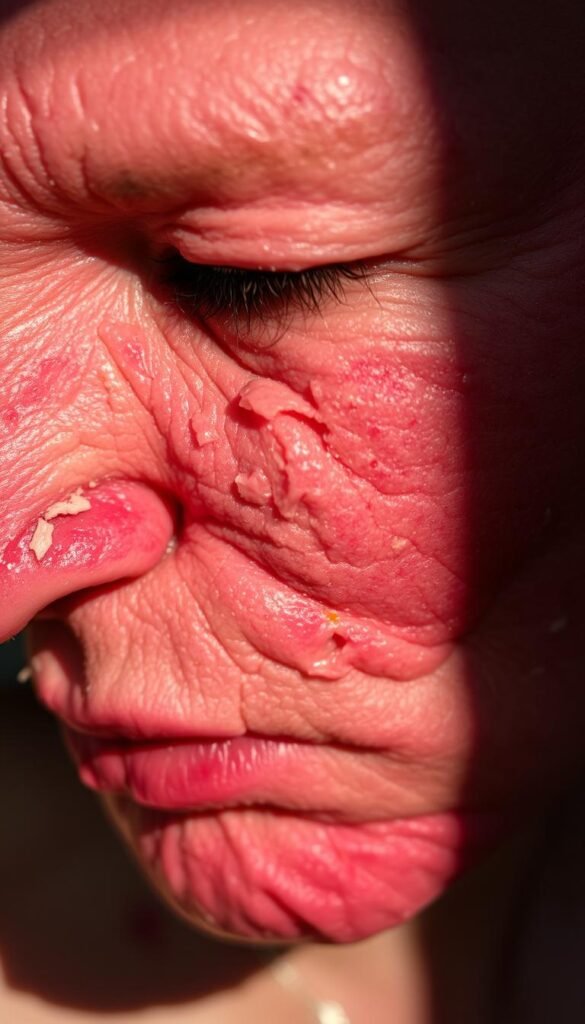
“Your skin is a reflection of your choices, not your fate.” – Coco Chanel’s timeless wisdom reminds us that transformation begins with intention. For years, I chased miracle cures for my shiny T-zone and clogged pores, only to discover that true healing started when I stopped overcomplicating skincare.
This Website contains affiliate links. That means I may earn a small commission if you purchase through my links, at no extra cost to you.
Oily skin often feels like a lifelong battle, but what if the solution lies in subtraction rather than addition? Many conventional approaches focus on aggressive treatments that strip natural oils, creating a vicious cycle of overproduction. The turning point came when I realized my skin needed balance, not punishment.
This journey taught me that radiant complexions aren’t built through endless product stacks. Instead, they flourish when we eliminate habits that disrupt our skin’s innate intelligence. From overwashing to using incompatible ingredients, small changes created profound shifts in my skin’s texture and confidence.
Key Takeaways
Healing begins by identifying habits that worsen oil production
Patience outperforms quick fixes for lasting results
Introduction: Understanding Oily Skin and Its Triggers
The journey to balanced skin begins with decoding its natural rhythms. Our largest organ speaks through oil production, texture changes, and sensitivity – clues pointing to biological wisdom shaped by DNA and daily choices.
Genetic and Hormonal Influences
Your sebaceous glands operate on blueprints passed through generations. If relatives share shiny complexions, your skin’s oil production likely follows ancestral patterns. Hormones add another layer: progesterone surges before menstruation often activate these glands, creating temporary shine spikes.
Environmental and Lifestyle Factors
Humid summers or heated winters directly impact your skin’s moisture balance. Chronic stress triggers cortisol spikes that overstimulate oil production, while low-glycemic diets help stabilize sebum levels. Remember – your glands aren’t enemies. They’re protectors guarding against dryness and environmental damage.
By viewing climate changes as seasonal collaborators and stress as a manageable variable, you transform skincare into a responsive partnership. Every sweaty workout or spicy meal becomes data for crafting routines that honor your skin’s intelligent design.
The Problem with Over-Exfoliating and Harsh Cleansers
Aggressive exfoliation promises clarity but often delivers chaos to delicate skin ecosystems. Many believe rigorous scrubbing combats oiliness, but this approach backfires spectacularly. Dermatologists confirm that over-cleansing strips protective lipids, triggering a survival response where glands pump out more oil to compensate.
Physical vs. Chemical Exfoliation
Not all exfoliants work equally. Physical scrubs with jagged particles create micro-tears, especially on oily or acne-prone faces. These abrasions allow bacteria deeper access while inflaming the surface. Chemical acids like salicylic acid dissolve debris gently, targeting pore congestion without mechanical damage.
Type
Mechanism
Best For
Physical
Manual abrasion
Non-sensitive areas
Chemical (BHA)
Oil dissolution
Clogged pores
Chemical (AHA)
Surface renewal
Dull texture
Why Overdoing It Can Damage Your Skin
Your moisture barrier resembles a brick wall – each exfoliation session removes a layer of mortar. Over time, this leads to cracks that let moisture escape and irritants invade. Damaged barriers increase shine as glands work overtime to protect exposed skin.
Opt for pH-balanced cleansers without sulfates. Limit exfoliation to 2-3 weekly sessions, alternating between acids and recovery days. Remember: calm skin produces less oil than stressed skin fighting invisible threats.
5 Things I Stopped Doing to Heal My Oily Skin
True transformation began when I stopped fighting my skin’s biology and started working with its innate wisdom. This shift required dismantling misconceptions about “oil control” and embracing practices that nurture rather than combat.
Rethinking Cleansing Rituals
Twice-daily washing with mild foaming cleansers became my non-negotiable foundation. Harsh formulas promising matte perfection often contain sulfates that spark rebound oil production. I learned to gently press cleanser into damp skin rather than scrubbing, preserving my moisture barrier while dissolving impurities.
Makeup That Supports Skin Health
Mineral-based foundations replaced thick liquid formulas, allowing my pores to breathe throughout the day. Water-resistant products gave way to breathable tints that fade gracefully rather than clogging. The game-changer? Using clean fingers instead of reused sponges for application reduces bacterial transfer.
Nightly makeup removal evolved into a mindful ritual with emulsifying balms that melt away products without tugging. Blotting papers now handle midday shine instead of layering powder. These adjustments helped break the cycle of congestion while letting my natural glow emerge.
Lifestyle Adjustments and Home Remedies
Transforming your diet might just be the missing link in your skincare routine. While topical treatments address surface concerns, lasting change emerges when we nourish our bodies with intention. What you consume daily directly influences your complexion’s behavior – especially for those managing excess oil.
Embracing a Healthy Diet and Hydration
Low-glycemic foods like leafy greens and berries stabilize blood sugar, reducing sebum triggers. Processed snacks spike insulin levels, signaling glands to ramp up oil production. Swapping sugary drinks for water keeps skin supple and helps glands function optimally.
Food Type
Examples
Skin Impact
Low-Glycemic
Quinoa, almonds
Balances sebum
High-Glycemic
Soda, white bread
Increases oil
Hydration Heroes
Cucumber, watermelon
Supports moisture
Alcohol’s dehydrating effect strains blood vessels, enlarging pores over time. For those exploring home remedies for oily skin, start with simple swaps: herbal teas instead of cocktails, roasted chickpeas over chips.
Carry a reusable water bottle to sip throughout the day. Add mint or citrus slices for flavor without sugar. Remember – hydrated skin feels calmer, reducing the need for glands to overcompensate with excess oil.
Smart Product Choices for Sensitive, Oily Skin
Navigating skincare aisles can overwhelm even the savviest shoppers, but strategic selections make all the difference. The right formulations act as allies, working with your skin’s biology rather than against it.
Selecting Noncomedogenic Moisturizers and Sunscreens
Oil-free moisturizers are game-changers for balancing hydration. These lightweight formulas absorb quickly, preventing that heavy residue many fear. Nighttime routines thrive with water-based serums instead of thick creams – your pores stay clear while skin drinks in moisture.
Sun protection becomes effortless with mineral options. Zinc oxide and titanium dioxide sit gently on the surface, reflecting UV rays without clogging pores. Pair these with a gentle cleanser to create a foundation that supports rather than stresses your complexion.
The Role of Salicylic Acid and Niacinamide
Salicylic acid’s oil-soluble nature lets it dive deep into pores, dissolving sebum buildup like a skilled cleaner. Used 2-3 times weekly, it keeps congestion at bay without stripping natural lipids.
Niacinamide shines as a multitasker. Studies show 2% concentrations can reduce oil production within weeks while smoothing texture. This vitamin B3 derivative strengthens your moisture barrier – the ultimate defense against shine triggers.
Expert Advice and Dermatologist Recommendations
Balancing oily skin becomes simpler when guided by science-backed strategies. Dermatologists emphasize that effective routines require patience and precision rather than constant product swapping. A thoughtful approach often yields better results than chasing every new trend.
Building Sustainable Routines
Skin experts suggest limiting exfoliation to twice weekly using gentle acids. Over-the-counter products work best when given 6-8 weeks to show effects. For lasting improvements, pair these with proven skincare tips like oil-free moisturizers and mineral sunscreens.
Recognizing When to Seek Support
Persistent shine or breakouts might signal deeper concerns. Board-certified dermatologists can prescribe retinoids or hormonal treatments when standard routines stall. These prescription solutions target oil production at its source while protecting your skin’s moisture barrier.
Professional guidance helps navigate overwhelming product choices. Many find relief through customized plans addressing their unique needs – whether adjusting a daily routine or exploring clinical options. Remember: seeking expert help demonstrates commitment to your skin’s long-term health.
Conclusion
Your journey toward balanced skin is ultimately an act of self-respect. While excess oil production might test your patience, remember it’s nature’s way of protecting your largest organ. Millions experience this skin type – a testament to human diversity, not imperfection.
Celebrate how far you’ve come. Those midday blotting sessions and ingredient label checks? They’re proof you’ve learned to collaborate with your biology. Managing oily skin effectively builds resilience that transcends beauty routines, teaching patience that serves all life’s challenges.
Breakouts may still visit, but now you greet them as temporary guests rather than permanent foes. Each cleared pore reflects your growing wisdom about what your unique skin needs to thrive. This knowledge becomes lifelong armor against future skincare myths.
True confidence blooms when we stop fighting our natural state. Your glowing progress isn’t just about fewer shiny zones – it’s about honoring your body’s rhythm. Carry this empowered mindset forward, knowing you’ve mastered the art of nurturing rather than punishing your skin.
FAQ
Can oily skin be caused by genetics?
Yes! Genetics play a major role in sebum production. If your parents have oil-prone skin, you’re more likely to experience it too. Hormonal shifts, like during puberty or menstruation, can also trigger excess oil.
Does over-washing make oily skin worse?
Absolutely. Harsh cleansers strip natural moisture, prompting sebaceous glands to overcompensate with more oil. Stick to gentle, pH-balanced formulas like CeraVe Hydrating Cleanser and limit washing to twice daily.
Should I skip moisturizer if my face feels greasy?
Never. Skipping moisturizer dehydrates skin, which boosts oil production. Opt for lightweight, noncomedogenic options like Neutrogena Hydro Boost Gel-Cream. Hyaluronic acid helps balance hydration without clogging pores.
How does diet impact oily skin?
High-sugar or greasy foods may spike insulin levels, increasing sebum. Focus on antioxidants (berries, leafy greens), omega-3s (salmon), and zinc-rich foods. Staying hydrated with water also helps regulate oil glands.
Are clay masks effective for controlling shine?
Yes—but moderation is key. Kaolin or bentonite clay absorbs excess oil temporarily. Overuse can dry out skin, so apply once a week. Pair with a soothing toner like Thayers Witch Hazel to maintain balance.
When should I see a dermatologist for oily skin?
If over-the-counter products fail or you experience persistent acne, redness, or irritation, consult a pro. Dermatologists may prescribe retinoids (like Differin) or recommend treatments like chemical peels for long-term results.
Can makeup worsen oily skin?
Heavy, oil-based foundations or powders can clog pores. Choose noncomedogenic, water-based formulas (e.g., Fenty Beauty Pro Filt’r Soft Matte) and always double-cleanse at night. Blotting papers help manage shine midday.
Is salicylic acid safe for daily use?
Start slow. While salicylic acid unclogs pores and reduces sebum, daily application may irritate sensitive skin. Use it 2-3 times weekly in serums or cleansers, like Paula’s Choice 2% BHA Liquid Exfoliant, and always follow with sunscreen.