“Happy girls are the prettiest… but truly healthy skin lets that light shine through,” Audrey Hepburn once remarked. Her words struck me when my complexion lost its glow—tight, flaky, and irritated despite my best efforts. Like many, I didn’t realize my daily habits were weakening my body’s natural armor.
This Website contains affiliate links. That means I may earn a small commission if you purchase through my links, at no extra cost to you.
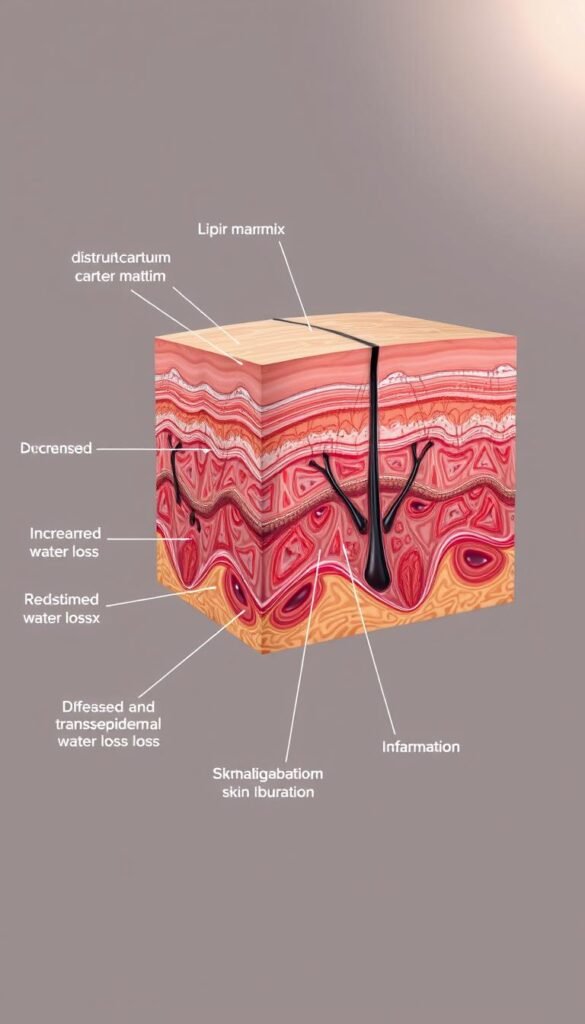
The skin barrier acts as our frontline defense, a delicate mix of lipids and proteins shielding us from pollution and dehydration. Mine had crumbled after years of harsh scrubs and acidic toners. Desperate for change, I dove into research. What I discovered changed everything: true repair requires patience, not punishment.
My turning point came when I swapped aggressive routines for nourishing ceramides and occlusive moisturizers. Within days, redness faded. By week two, my face felt alive again—plump, resilient, and radiant. This journey taught me that healing starts by working with your skin’s biology, not against it.
Key Takeaways
The skin barrier is a protective layer of lipids and proteins crucial for locking in moisture
Common skincare mistakes like over-exfoliation can damage this natural defense system
Gentle restoration methods yield faster results than aggressive treatments
Visible improvements in texture and hydration can appear within 14 days
Effective repair strategies work for all budgets and experience levels
Understanding the Importance of Your Skin Barrier
What shocked me most wasn’t the tightness or redness—it was realizing my body’s security system had been failing. Like a cracked fortress wall, my compromised outer layer let irritants slip through while precious moisture escaped. This invisible shield does more than just sit there—it’s a living, working ecosystem.
What the Skin Barrier Does for My Health
My dermatologist compared this protective layer to a bouncer with a chemistry degree. It maintains a slightly acidic pH (4-6) to zap harmful microbes while holding onto water like a sponge. During flare-ups, I learned this balance gets disrupted, letting allergens sneak past defenses.
This discovery reshaped my entire routine. Instead of stripping oils, I focused on supporting what nature designed. A healthy moisture barrier doesn’t just prevent breakouts—it’s the foundation for smooth texture and that coveted lit-from-within glow.
Key Barrier Functions Explained
Five superhero talents stunned me most. First, it acts as a waterproof sealant, trapping hydration. Second, its acidic surface melts invading bacteria. Third, antioxidants neutralize pollution’s damage. Fourth, immune cells stand guard against threats. Finally, melanin and enzymes combat UV rays naturally.
The six-week renewal cycle became my mantra. Like growing new armor, this layer rebuilds itself gradually. Patience paid off—within a month, my skin stopped feeling like parchment. Now I treat it like priceless silk, not something to scrub into submission.
Common Causes and Signs of a Damaged Skin Barrier
My bathroom mirror became a truth-teller during those rough months. Each morning revealed new clues—flakes where there should’ve been glow, angry patches replacing smooth texture. What I mistook for stubborn acne turned out to be my skin screaming for help.
Environmental and Lifestyle Triggers
Hot showers felt luxurious until I connected them to my tight, parched cheeks. Daily exfoliation and acidic toners—once my skincare staples—were quietly eroding my defenses. Even city living played a role: pollution particles clung like microscopic daggers, while winter winds stole moisture with every gust.
Stress became my silent saboteur. Sleepless nights disrupted skin’s repair cycle, while poor meal choices starved it of vital nutrients. My dermatologist nodded knowingly when I mentioned using five active ingredients nightly. “You’re building a house without mortar,” she explained. Barrier damage thrives on these “normal” habits.
Identifying Visible Symptoms
The signs crept in gradually. First came the unexplained stinging when applying moisturizer. Then persistent dryness that no cream could fix. Breakouts multiplied as my damaged skin struggled to fend off bacteria. Worst was the raw sensitivity—suddenly, even soft fabrics felt like sandpaper.
I learned to spot subtler warnings too. Dullness signaled weakened defenses, while slow-healing blemishes revealed compromised healing. Hyperpigmentation patches mapped where irritants had breached the gates. These weren’t isolated issues but connected dots pointing to one truth: my protective shield needed urgent reinforcements.
Recognizing these factors became empowering. Each symptom wasn’t a flaw—it was my skin’s language, begging me to change course. The redness faded when I stopped fighting my biology and started listening.
5 Steps I Took to Repair My Skin Barrier Fast
Staring at my medicine cabinet, I realized healing required radical simplicity. Years of layering serums and acids had backfired spectacularly. My new mantra became less friction, more function—a philosophy that transformed my approach to skin barrier repair.
The Gentle Reset Method
First came the purge—clearing every harsh product from my shelf. Gone were the glycolic toners and gritty scrubs. I kept only a milky cleanser and basic moisturizer. Within days, the angry buzzing under my cheeks quieted.
Switching to a pH-balanced formula felt like finding the right key for a rusty lock. Morning rinses became lukewarm water splashes instead of aggressive washing. My skincare routine now centered on protection, not punishment.
Hydration became sacred. I slathered ceramide creams on damp skin, trapping moisture like morning dew on petals. Sunscreen turned non-negotiable—even on cloudy days. The real test came in resisting exfoliation temptations. Letting flakes remain felt counterintuitive, but new skin eventually emerged smoother.
Patience proved harder than any cream application. I marked calendar weeks instead of days. By month’s end, my reflection showed what discipline creates—a resilient surface glowing with health, not products. This journey taught me that true repair happens when we stop fighting biology and start fostering it.
Selecting Gentle Skincare Products for Barrier Repair
My skincare shelf once resembled a chemistry lab—full of harsh formulas promising miracles. True transformation began when I treated product selection like matchmaking, seeking partners that complemented my skin’s needs rather than forcing quick fixes.
Choosing the Right Cleanser
The moment I swapped foam for cream cleansers felt like trading sandpaper for silk. pH-balanced formulas with amino acids became game-changers, lifting impurities without that dreaded squeaky-clean tightness. Experts at SRx Health confirmed these gentle options preserve lipids critical for moisture retention.
Aloe-infused textures soothed while cleansing—a revelation after years of abrasive scrubs. I learned to read labels like love letters, prioritizing non-comedogenic claims over flashy marketing. This shift let my barrier rebuild its natural defenses undisturbed.
The Role of Moisturizers in Hydration
Discovering ceramide-rich creams felt like finding missing puzzle pieces. These skincare products didn’t just sit on my face—they became active participants in restoration. Layering lightweight serums under occlusive balms created a hydration forcefield, locking in dewiness through dry winters.
Brands like The Ordinary taught me to value ingredient synergy over single-product miracles. Squalane sealed cracks in my moisture matrix, while hyaluronic acid drew water deeper than any surface-level fix. My skin drank deeply, plumping from within.
This strategic approach turned random products into a healing coalition. Every choice—from cleanser to cream—became a brick in my rebuilt barrier fortress.
Nutritional Support and Supplements for Healthy Skin
Healing my protective layer became a full-body mission. While creams soothed the surface, real transformation began at the grocery store. I discovered that rebuilding a resilient skin barrier demands nutrients as much as lotions.
Ingredients That Boost Barrier Repair
Omega-3 fatty acids became my edible armor. Salmon dinners and chia seed snacks replenished lipids my stressed skin craved. Studies confirmed these ingredients reduce inflammation while strengthening moisture retention.
I doubled down on ceramides through both serum and spinach. Learning they form 50% of our natural lipid layer explained why topical and dietary sources worked best together. Sweet potato hash with eggs delivered vitamin A for cellular renewal—nature’s reset button.
Hyaluronic acid surprised me most. While applying it topically, I added bone broth for internal hydration. This one-two punch plumped my skin from within, like refilling a dried-up reservoir.
Probiotic yogurt and kimchi became non-negotiables. Gut health’s impact on repair processes shocked me—balanced flora meant calmer breakouts. Vitamin D from sardines and sunshine sealed cracks in my defenses, proving nutrition’s role in radiant skin.
This food-first approach didn’t replace my skincare—it amplified it. Every meal became a chance to reinforce what creams started. True healing, I realized, happens when fork and moisturizer work as allies.
Building a Barrier-Friendly Skincare Routine
The day my moisturizer stopped stinging marked a turning point. Crafting an effective skincare routine became less about products and more about respecting my skin’s rhythm. I discovered healing happens when we create consistency without rigidity.
Layering Techniques That Work
Thin-to-thick became my golden rule. Starting with a serum on damp skin allowed hyaluronic acid to pull moisture deep. Next, ceramide creams reinforced my lipid matrix. Lightweight oils like squalane sealed everything—a protective hug for my face.
Adjusting Your Routine Over Time
As flakes faded, I reintroduced actives cautiously. Morning products stayed simple: rinse, hydrate, protect. Evenings became sacred repair sessions with richer formulas. This flexible approach let my skin guide the pace—no more forcing “miracle” timelines.
FAQ
How do I know if my moisture barrier is damaged?
My skin felt tight, flaky, and overly sensitive—like it couldn’t tolerate anything. Redness and breakouts became frequent, even though I wasn’t prone to acne. These signs told me my outermost layer wasn’t protecting me from irritants or holding hydration.
Can I repair my barrier without changing my entire skincare routine?
I focused on simplifying rather than overhauling. Swapping harsh cleansers for gentle ones like CeraVe Hydrating Cleanser and adding a ceramide-rich moisturizer made a huge difference. Sometimes, less truly is more when rebuilding trust with your skin.
Are there specific ingredients I should prioritize for barrier repair?
Ceramides, fatty acids, and hyaluronic acid became my holy trinity. Brands like Dr. Jart+ and La Roche-Posay use these in formulas that mimic the skin’s natural lipids. I also avoided exfoliants like glycolic acid until my texture stabilized.
How long does it take to see improvements?
For me, consistency was key. Within two weeks, my dryness eased. Full recovery took about six weeks. I tracked progress by how well my skin held moisture overnight and tolerated serums like The Ordinary’s Niacinamide without stinging.
Can diet really impact my skin’s health?
Absolutely. I upped my omega-3 intake with salmon and walnuts to strengthen my skin’s lipid layer. Cutting back on sugar reduced inflammation, and drinking more water paired with topical hydration for a plump, resilient feel.
Is sunscreen necessary during the repair process?
Sunscreen became non-negotiable. UV rays worsen barrier damage, so I used mineral options like EltaMD UV Clear Broad-Spectrum. It protected without clogging pores, letting my skin heal without added stress from environmental aggressors.
How do I maintain a healthy barrier once it’s repaired?
I stick to a minimalist routine with layered hydration—think essences followed by creams. Monthly adjustments based on seasonal changes keep my balance intact. Listening to my skin’s cues, rather than trends, ensures long-term resilience.