“You are never too old to set another goal or to dream a new dream.” – C.S. Lewis. These words remind us that self-care isn’t about chasing perfection but embracing progress. For many women, feeling confident in their skin starts with understanding how strength training can reshape both body and mindset.
This Website contains affiliate links. That means I may earn a small commission if you purchase through my links, at no extra cost to you.
The foundation of a lifted, toned upper body lies in the pectoral muscles. These muscles stretch across your chest, connecting your sternum to shoulders and arms. When strengthened, they create a supportive “corset” beneath breast tissue, enhancing posture and creating a firmer appearance.
While no workout can magically alter genetics, consistent effort yields real results. Targeted movements engage key muscle groups from multiple angles, promoting definition and improved circulation. Over time, this approach helps combat sagging caused by aging, weight fluctuations, or lifestyle factors.
Key Takeaways
- Focused chest workouts enhance natural curves through muscle development
- Strong pectorals provide structural support for breast tissue
- Visible improvements require patience and proper technique
- Combining strength training with cardio maximizes results
- Consistency matters more than intensity for lasting change
Understanding Saggy Breasts and the Role of Chest Exercises
Your body evolves with time, and shifts in breast shape are a natural part of this journey. While gravity and life experiences leave their mark, knowledge empowers you to take action. Strengthening the chest muscles provides a supportive framework, helping you feel confident in your skin.
Triggers and Causes of Sagging Breasts
Aging reduces collagen production, thinning the connective tissues that maintain lift. Weight fluctuations stretch skin repeatedly, while hormonal shifts during pregnancy or menopause alter tissue density. Even daily habits matter—slouching strains the back and weakens postural support for your chest.
| Factors | Impact | Prevention Focus |
|---|---|---|
| Aging | Loss of skin elasticity | Collagen-boosting nutrition |
| Weight Changes | Stretched breast tissue | Consistent strength training |
| Lifestyle Choices | Accelerated sagging | Proper bra support & posture |
| Genetics | Skin texture tendencies | Targeted chest exercises |
The Impact of Aging and Weight Changes on Elasticity
Your muscles act like invisible scaffolding. When toned, they lift breast tissue upward, countering sagging. Combine resistance training for the arms and upper body with cardio to maintain a healthy weight. This holistic approach enhances circulation and muscle tone for lasting results.
5 Exercises That Lift Saggy Breasts Naturally
Transforming your upper body begins with strategic movement patterns that activate hidden potential. This carefully curated routine blends resistance and bodyweight techniques to sculpt supportive muscle layers beneath breast tissue.
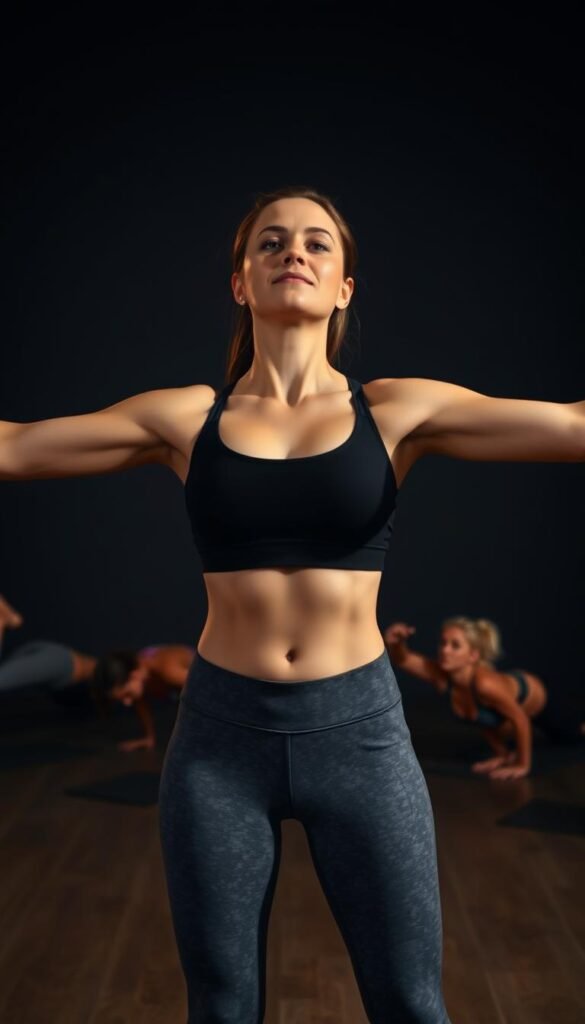
Quick Overview of the Exercise Routine
Your twice-weekly sessions should challenge your chest without causing strain. Aim for 3 sets of 10-12 reps per exercise, resting 60 seconds between sets. Choose weights that leave you nearly spent but still in control by the final repetition.
| Movement | Primary Focus | Pro Tip |
|---|---|---|
| Dumbbell Press | Central pectorals | Keep elbows at 45° from body |
| Pushup Variations | Full upper body engagement | Maintain straight spine alignment |
| Cobra Pose | Postural reinforcement | Press shoulders down & back |
| Plank Holds | Core-chest connection | Engage glutes for stability |
Key Exercise Steps and Proper Execution
Master the dumbbell chest press by lying face-up with knees bent. Lower weights until elbows dip slightly below bench level, then drive upward through your palms. For pushups, modify starting position elevation as needed—countertop to floor progression works wonders.
Incorporate cobra pose by lying prone and lifting your upper body while keeping hips grounded. Hold for 30 seconds, actively squeezing shoulder blades. Dynamic plank variations like alternating arm reaches build endurance while keeping arms and chest engaged.
Remember: Quality trumps speed. “What you practice grows stronger,” says movement expert Jessamyn Stanley. Celebrate small victories as your strength evolves, gradually increasing resistance every 3-4 weeks.
Mastering Proper Starting Positions and Form
Every great structure begins with a solid foundation – your workout is no exception. Perfecting your starting position ensures every rep builds strength where it matters most. Let’s explore how small adjustments create big changes in muscle engagement.

Back Starting Position Essentials
Lie face-down with legs extended and feet flat. Position palms under shoulders, elbows hugging ribs. This back starting position activates your spinal stabilizers while protecting neck joints. Imagine your body as a straight line from crown to heels – no hip hiking!
Plank Position Precision
For plank position mastery, stack wrists under shoulders and spread fingers wide. Engage your core like you’re bracing for a gentle punch. Keep hips level – if your lower back sags, elevate to knees until strength improves.
| Position | Key Alignment Points | Common Mistakes | Benefits |
|---|---|---|---|
| Back Starting | Neutral spine, elbows in | Arching neck upward | Activates deep core muscles |
| Plank | Wrists under shoulders | Dropping hips | Enhances full-body stability |
Proper form isn’t about looking perfect – it’s about feeling connected. “Your body remembers alignment long after the workout ends,” notes physical therapist Dr. Lena Harris. Consistent practice trains muscles to support your upper body effortlessly, both in and out of the gym.
Build confidence by holding these positions for 10-20 seconds daily. Over time, you’ll notice improved posture and stronger engagement during dynamic movements. Remember: Quality foundations create lasting transformations.
Targeting Chest Muscles for a Firmer Bust
The journey to a lifted, confident silhouette begins beneath the surface. Your pectoralis major and minor muscles act as natural underwire when strengthened, providing structural support that enhances your bust’s appearance. By focusing on these foundational chest muscles, you create lasting changes that go beyond temporary fixes.
Engaging Chest and Upper Arms Effectively
True transformation happens when multiple muscle groups work in harmony. As you perform effective chest exercises, consciously activate your upper arms to amplify results. This dual engagement creates a “scaffolding effect,” lifting breast tissue while improving overall upper body strength.
Utilizing Dumbbell Chest Press and Pushup Variations
Master the dumbbell chest press by lying flat with knees bent and feet planted. Push weights upward until arms fully extend, then lower slowly to maximize muscle tension. For pushups, start against a wall if new to training, gradually progressing to incline or floor versions as strength builds.
Focus on the mind-muscle connection during each rep. Visualize your chest muscles contracting like powerful springs lifting your bust upward. Over time, this mental focus paired with proper form leads to visible firmness. “Strength isn’t just physical—it’s the story you tell yourself with every movement,” notes fitness coach Tara Stiles.
Choose weights that challenge but don’t overwhelm—typically 5-15 lb dumbbells work for most. Consistency with these techniques reshapes your upper body’s foundation, proving that targeted effort creates undeniable change.
Incorporating Dumbbell and Bodyweight Variations
Building upper body strength thrives on strategic partnerships – like pairing dumbbells with your own body mass. This dynamic combination allows gradual progression while maintaining natural movement patterns essential for functional fitness.
When to Use Dumbbells for Enhanced Resistance
Reach for 10-15 lb weights during foundational moves like chest presses. The separated dumbbells demand greater stabilization than barbells, activating more muscle fibers. For precision work like stability ball flies, lighter 5 lb weights help master control before increasing resistance.
| Exercise | Weight Range | Key Benefit |
|---|---|---|
| Chest Press | 10-15 lbs | Builds foundational strength |
| Chest Fly | 5 lbs | Enhances muscle isolation |
| Overhead Press | 8-12 lbs | Improves shoulder stability |
Transitioning Between Bodyweight and Equipment-Based Moves
Begin with wall pushups to establish proper body alignment. As strength grows, progress to incline pushups using a bench, then incorporate dumbbell rows for balanced development. This phased approach prevents plateaus while protecting joints.
Remember: “Progress isn’t linear – it’s about finding the right challenge for today,” advises trainer Jessamyn Stanley. Whether holding a plank or pressing weights, focus on smooth movement patterns that honor your current ability while building tomorrow’s potential.
Building Core Stability and Overall Strength
Your body’s power center holds the key to unlocking lasting upper body transformation. A rock-solid core acts as your internal support system, enhancing posture and creating a lifted appearance. When engaged properly, these deep muscles work like nature’s scaffolding – supporting your chest while amplifying results from every exercise.
Integrating Plank and Core-Focused Exercises
Begin with the foundational plank position: elbows under shoulders, body forming a straight line from head to heels. Breathe steadily while engaging abdominal muscles as if bracing for a gentle punch. Hold for 20 seconds initially, gradually increasing duration as strength improves.
Elevate your routine with dynamic variations:
- Plank reach-under: From high plank, lift right hand to touch left knee while keeping hips parallel to the ground
- Superman: Lie face-down, simultaneously lifting arms and legs while contracting glutes and lower back
| Exercise | Primary Benefit | Pro Tip |
|---|---|---|
| Standard Plank | Full-body stability | Press palms into floor |
| Reach-Under | Rotational strength | Keep hips still |
| Superman | Posterior chain activation | Lift chest and thighs equally |
These movements create a powerful synergy between your core and chest. “True power flows from your center outward,” notes movement specialist Tara Stiles. For detailed guidance on core-focused workouts, explore our curated resources.
Consistent practice reshapes more than your physique – it rebuilds confidence from the inside out. As your body grows stronger, you’ll stand taller, breathe deeper, and move through life with renewed assurance.
Weekly Routine and Progress Tracking Tips
True transformation begins when dedication meets smart planning. Building a lifted, confident body requires consistency – not perfection. Start with two weekly sessions focusing on targeted chest workouts, allowing at least one rest day between sessions for muscles to recover.
Creating an Inspirational Workout Schedule
Design a routine that fits your life. Choose 3-4 exercises per session, like pushups or dumbbell presses. Perform 3 sets of 10-12 reps, focusing on form over speed. Mark workout days on your calendar – visible reminders boost commitment.
Measuring Improvements and Adjusting the Routine
Track progress beyond the mirror. Note when weights feel lighter or planks last longer. Take monthly photos in consistent lighting to observe subtle changes in your chest’s appearance. “Progress whispers before it shouts,” reminds trainer Amanda Garcia.
Celebrate every victory – completing an extra rep or maintaining perfect posture. Adjust weights or exercises every 4-6 weeks to keep challenging your chest muscles. Remember: lasting change grows from small, consistent efforts.