“Makeup is not a mask that covers your beauty—it’s a weapon that helps you reveal it to the world,” said Bobbi Brown. For millions battling stubborn under-eye shadows, this truth hits home. Those blue-gray tones beneath your eyes don’t define you, but mastering the art of camouflaging them can redefine your confidence.
This Website contains affiliate links. That means I may earn a small commission if you purchase through my links, at no extra cost to you.
Genetic predisposition and thin skin often create these shadows that even caffeine creams can’t erase. The secret lies in strategic color correction paired with precise application. Professional artists agree: understanding your skin’s undertones transforms how concealer interacts with darkness.
This isn’t about piling on products. It’s about working smarter—using peach-toned correctors to neutralize purple hues or golden shades to brighten sallow areas. When layered with lightweight hydrating formulas, these methods create a natural-looking finish that lasts all day.
Key Takeaways
Genetic factors influence dark circles, but technique outweighs biology
Color correction neutralizes shadows better than standard concealer alone
Thin under-eye skin requires hydrating formulas to prevent cakiness
Professional results demand layering multiple complementary products
Proper tool selection impacts blendability and final appearance
Daily routines become confidence rituals with mastered application
Understanding Dark Circles: Causes, Myths, and Color Correction
Beneath every shadow lies a story your skin wants to tell. While society often frames under-eye circles as beauty flaws, they’re actually biological signals worth decoding.
What Triggers Dark Under-Eye Circles?
Your genetic blueprint plays lead actor in this drama. Thin under-eye skin reveals blood vessels more visibly, creating those telltale bluish tones. But lifestyle choices write subplots—poor sleep dehydrates skin, allergies cause inflammation, and sun exposure accelerates pigment changes.
The Role of Color Theory in Concealing Darkness
Makeup artists wield the color wheel like painters neutralizing canvas imperfections.
explains celebrity artist Katie Jane Hughes. Fair complexions thrive with peach correctors, while deeper tones need richer orange shades. For violet-hued circles, a golden corrector becomes your secret weapon.
Hydration remains critical—creamy formulas prevent product buildup in fine lines. Layer thin coats using a synthetic brush, blending outward toward temples. Remember: You’re not hiding shadows but redirecting light through strategic color science.
11 Makeup Tricks to Hide Dark Circles Like a Pro
Behind every seamless makeup look lies a meticulous skincare routine. Professional artists know hydration and preparation determine whether concealer enhances your features or emphasizes texture. This foundation-first approach turns your morning ritual into an act of self-care.
Mastering Primer and Skincare Essentials
Start with chilled water to constrict blood vessels and reduce puffiness. Pat on eye cream containing hyaluronic acid – it plumps fine lines like a drink of water for parched skin. “Primer isn’t optional,” says New York makeup artist Lina Lee. “It’s the glue that holds pigment to your delicate under-eye area.”
Match primer to your needs: luminous formulas revive tired complexions, while oil-free versions keep shine at bay. Warm a pea-sized amount between fingers before pressing it into skin. This creates an even base that prevents product migration into creases.
Choosing and Applying the Right Concealer
Cream-based formulas with golden undertones neutralize blue-gray shadows best. Select a shade one step brighter than your foundation – too light creates ghostly reverse raccoon eyes. Use a flat synthetic brush to stipple product directly over darkness, then blend edges with a damp sponge.
Build coverage in thin layers rather than globbing on thick concealer. This preserves the natural luminosity of your skin tone while camouflaging discoloration. Finish by lightly setting with translucent powder using a fluffy brush.
Step-By-Step Routine: From Skincare to Setting
Unlock camera-ready brightness by following the exact steps pros use backstage. This carefully choreographed dance between skincare and cosmetics turns discoloration into radiant confidence.
Building the Perfect Base with Moisturizers, Eye Creams, and Primers
Begin with chilled jade rollers or spoons to depuff. Hydrate with eye cream containing ceramides – they reinforce your skin’s moisture barrier like microscopic bodyguards. “Primer creates Velcro for makeup,” explains artist Daniel Martin. Choose silicone-free versions if you’re layering multiple products.
Applying Foundation, Concealer, and Translating Color Correction
Dot peach-toned corrector only on shadowed areas. Wait 90 seconds before applying concealer one shade brighter – this prevents color mixing. Use your ring finger’s warmth to melt product into skin, not rub it away.
Foundation comes next: press damp makeup sponge in quick dabs to avoid disturbing correctors. For oily zones, dust powder first, then spray with setting mist. The baking technique works best before important events – let translucent powder sit while you style hair, then brush off excess.
Tailoring Your Look for Different Skin Tones and Conditions
Your complexion tells a vibrant story – one that deserves customized solutions. While color correction principles remain universal, their execution shifts dramatically across diverse complexions. The magic happens when science meets personalization.
Tips for Light, Medium, and Dark Skin Tones
Fair skin warriors battling purple shadows: reach for peach correctors. Blend with yellow-based concealers to mimic natural warmth. Avoid chalky finishes – creamy textures melt into porcelain tones seamlessly.
Medium complexions glow with salmon correctors. “Orange becomes your neutralizer for blue undertones,” says Allure beauty editor Jessica Cruel in their definitive color corrector guide. Match concealer depth to your skin’s midday hue – not morning brightness.
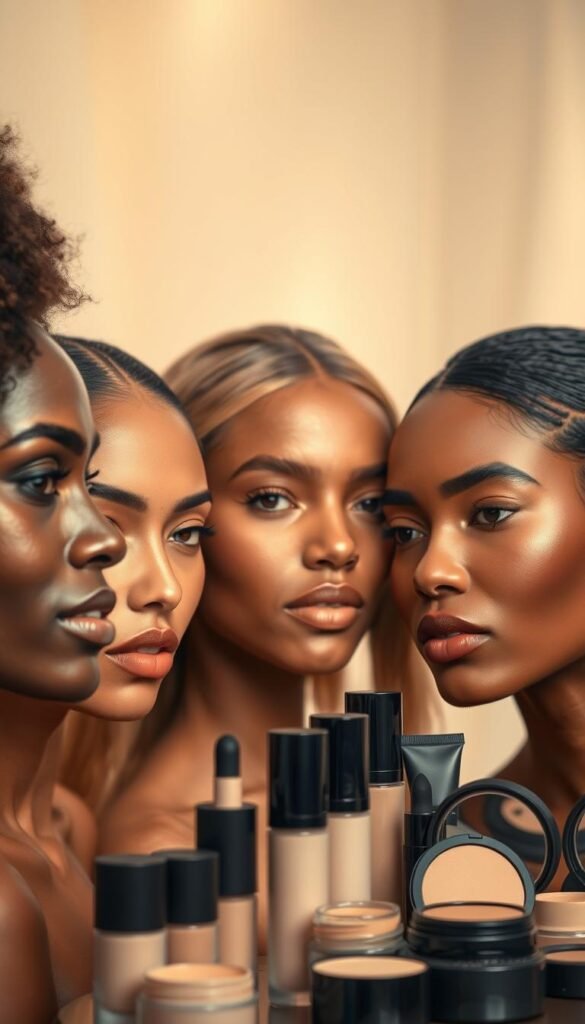
Deep skin beauties need bold color play. Rich red or burnt orange correctors counteract ashiness in melanin-rich tones. Follow with golden concealers that enhance radiant undertones rather than masking them.
Test correctors in natural light – artificial lighting lies
Warm formulas between fingers before application
Layer thin coats instead of heavy coverage
Your unique canvas demands specific tools. When shades align with both skin tone and shadow depth, miracles happen. Suddenly, coverage looks like second skin – a celebration of your authentic beauty.
Conclusion
Mastering the art of bright-eyed confidence starts with technique, not products. Your journey through color theory and strategic layering transforms makeup application from guesswork to precision science. Each brush stroke becomes a declaration of self-care.
Celebrate how understanding undertones lets you neutralize shadows rather than mask them. With practice, selecting the right concealer formula and blending with damp sponges evolves into second nature. Your morning ritual becomes a meditation in empowerment.
Remember: true mastery lies in adaptation. Whether battling genetic darkness or temporary fatigue, these methods flex to your unique needs. Keep experimenting with textures and tools—a flat synthetic brush might revolutionize your coverage game.
Carry this knowledge forward as your beauty armor. That refreshed, natural-looking finish? It’s not magic—it’s the result of informed choices and perfected technique. Your brightest eyes yet await.
FAQ
What causes dark under-eye circles?
Lack of sleep, genetics, dehydration, and thinning skin are common culprits. Sun exposure and allergies can also deepen pigmentation. Addressing these factors with skincare and lifestyle changes helps create a smoother base for coverage.
How does color correction work for dark circles?
Color theory neutralizes shadows. Peach or orange tones counteract blue/purple hues, while yellow brightens mild darkness. For deeper skin tones, rich coral or red correctors balance undertones before applying concealer.
Can I skip eye cream before makeup?
A> Hydration is key! Skipping eye cream leads to creasing. Opt for a lightweight, caffeine-infused formula to depuff and smooth the area. Let it absorb fully before priming for a flawless finish.
How do I prevent concealer from looking cakey?
Less is more. Apply a thin layer of creamy, buildable concealer with a damp beauty sponge. Set lightly with translucent powder only where needed. Avoid heavy formulas that settle into fine lines.
What’s the best way to cover dark circles on deep skin tones?
Use a corrector with red or burnt orange undertones to neutralize ashiness. Follow with a concealer that matches your skin’s depth and warmth. Blend seamlessly into the foundation for a natural, radiant finish.
Should I apply foundation before concealer?
Yes! Foundation evens out your skin tone, reducing how much concealer you need. Apply it first, then spot-treat remaining darkness with a precision brush. This prevents overloading the delicate under-eye area.
How do I make my makeup last all day?
Start with a gripping eye primer to lock in products. Set your concealer with a fine, luminous powder using a fluffy brush. Spritz a hydrating setting spray to melt layers together for long-lasting wear.