“Skin is the fingerprint of what’s going on inside the body – and the only boundary separating us from the world.” – Dr. Whitney Bowe, Board-Certified Dermatologist
This Website contains affiliate links. That means I may earn a small commission if you purchase through my links, at no extra cost to you.
If rough, flaky, or tight-feeling skin persists despite your best efforts, it’s time to listen closely. Xerosis – the medical term for chronic dryness – affects nearly 1 in 3 adults, according to a 2019 study of 50,000 individuals. This condition becomes more common with age but impacts all genders equally.
While moisturizers temporarily relieve discomfort, they often fail to address weakened barrier function or underlying triggers. Persistent itching, redness, or cracks signal your body’s cry for deeper care. Like a cracked foundation needing structural repair, compromised skin requires targeted strategies beyond surface-level hydration.
Understanding these signs empowers you to transform your approach. Whether it’s adjusting routines for aging skin or identifying environmental factors, solutions exist to restore resilience. Let’s explore how to decode your skin’s messages and build lasting relief.
Key Takeaways
Chronic dryness affects 29.4% of adults and often worsens with age
Dryness isn’t just a surface issue—it’s a cry for deeper skin barrier support. This protective system works like a biological forcefield, blending oils and natural hydrators to lock in essential moisture while shielding against daily threats.
What Is Dry Skin?
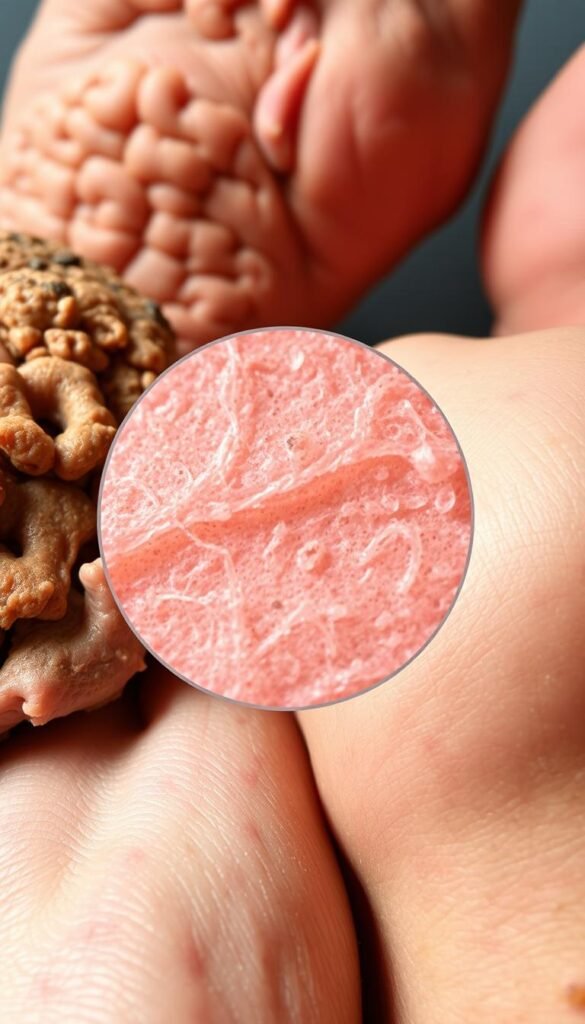
Your outer skin layer contains ceramides and fatty acids that act as nature’s mortar. When these components diminish, cracks form in your biological armor. Unlike temporary dehydration, chronic dryness creates openings for irritants to penetrate deeper layers.
The Role of the Skin Barrier
A healthy barrier does more than prevent water loss—it neutralizes pollutants and blocks harmful microbes. Compromised defenses lead to a domino effect: 68% of people with weakened barriers develop sensitivity issues within six months, according to dermatological studies.
Untreated damage accelerates visible aging and increases vulnerability to chronic conditions. Like repairing a leaky roof before storms arrive, strengthening your protective layer stops future problems before they start. Your skin’s resilience depends on this crucial balance between defense and repair.
Surprising Environmental and Lifestyle Factors
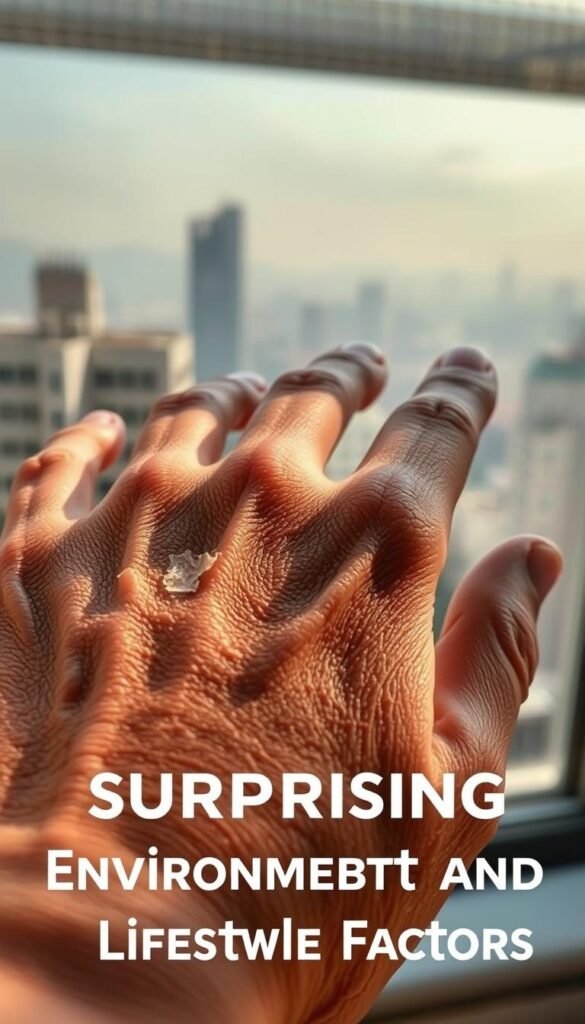
Your daily routines might secretly sabotage your skin’s health. Common environmental factors – from tap water quality to shower habits – play a bigger role in persistent dryness than most realize.
Effects of Hard Water and Air Quality
Mineral-rich water creates invisible barriers on your skin. Magnesium and calcium deposits bond with natural oils, forming a filmy layer that blocks moisturizers. This reaction cause dry, rough patches even with proper hydration efforts.
Water Type
Impact
Solution
Hard Water
Mineral buildup clogs pores
Install shower filter
Soft Water
Better product absorption
Use pH-balanced cleansers
Risks from Long, Hot Showers and Harsh Cleansers
Steamy showers feel relaxing but strip protective lipids. Dermatologists recommend:
5-minute max wash time
Lukewarm temperatures
Sulfate-free body washes
Indoor heating systems cause dry air that saps moisture year-round. A humidifier can restore 40-60% humidity levels – your skin’s sweet spot for maintaining natural oils.
“Your shower routine could be the hidden culprit behind stubborn dryness. Small changes create big results.”
By addressing these environmental factors, you empower your skin to heal from multiple angles. The path to relief starts with recognizing these stealthy moisture thieves.
10 Signs Your Dry Skin Needs More Than Just Moisturizer
Your body speaks through your skin—persistent changes often signal deeper needs. What appears as surface irritation might reveal systemic imbalances or chronic conditions demanding specialized care.
Visible Symptoms and Underlying Conditions
Red, inflamed patches that resist creams suggest compromised barrier function. When itching becomes relentless—disrupting sleep or focus—it’s your skin’s way of shouting for intervention.
Darkened areas (hyperpigmentation) often trace to chronic inflammation. Rough, scaly textures resembling fish scales could point to autoimmune issues like psoriasis. These symptoms form patterns that mirror internal health challenges.
Eczema warriors know the cycle too well—flares of dermatitis create cracks that sting and bleed. Over-the-counter products can’t calm this storm. Studies show 60% of eczema cases relate to immune system hyperactivity needing targeted therapies.
Persistent dryness with fatigue or weight changes? Thyroid disorders frequently manifest through skin changes. Diabetes and kidney issues also leave clues in your body’s largest organ. Recognizing these signals opens doors to solutions that heal from within.
Genetics, Health Conditions, and Skin Disorders
Your DNA holds clues to your skin’s unique needs. While environmental factors play a role, genetic blueprints and systemic health issues often dictate your skin’s resilience. Recognizing these connections transforms skincare from guesswork to precision care.
Inherited Risks and Genetic Factors
Filaggrin gene mutations affect 1 in 10 people, crippling the skin’s moisture retention. This genetic glitch increases eczema risks by 80% compared to those with normal protein production. Family histories of dermatitis often reveal patterns needing specialized care.
Systemic health conditions create visible skin changes:
Condition
Skin Impact
Action Steps
Diabetes
Reduced oil production
Blood sugar monitoring
Thyroid Disease
Flaky, coarse texture
Hormone therapy
Kidney Issues
Persistent itching
Medical consultation
Hormonal shifts during menopause or pregnancy alter oil synthesis temporarily. Autoimmune disorders like HIV often debut through chronic dryness, making skin changes vital health indicators.
Those with multiple risk factors benefit most from combined approaches. Dermatologists and physicians now collaborate to address both genetic predispositions and underlying disease states. Your skin’s story might hold keys to broader wellness breakthroughs.
Overwashing, Exfoliation, and Cleansing Habits
Your cleansing routine could be the hidden saboteur of your skin’s recovery. While cleanliness seems virtuous, excessive washing creates a paradox – the more you scrub, the more your protective oils disappear. Healthcare workers know this struggle intimately, with 72% reporting dry, cracked hands from constant sanitizing.
When Cleanser Choices Backfire
Many soaps act like oil-stripping mercenaries. Antibacterial formulas and clarifying shampoos often contain sulfates that dissolve natural lipids. This leaves skin defenseless against moisture loss. Watch for these warning signs after washing:
Cleanser Type
Impact
Better Alternative
Bar Soap
High pH disrupts acid mantle
Syndet cleansing bars
Foaming Wash
Removes 40% more natural oils
Cream-based cleansers
Exfoliating Scrubs
Microtears in skin barrier
Chemical exfoliants (1-2x/week)
Managing Overwashing and Excessive Exfoliation
Healthcare professionals use this 3-step defense:
Pat skin dry instead of rubbing
Apply moisturizer within 3 minutes of contact with water
Use cotton gloves during non-patient time
Exfoliation requires precision timing. Dermatologist Dr. Ellen Marmur advises: “Limit physical scrubs to once weekly. For chemical exfoliants, start with 0.5% strength and monitor your skin’s response.” Nightly applications often lead dry, irritated complexions.
Rebalance your approach by:
Reducing shower time to 7 minutes
Choosing lukewarm water over hot
Applying occlusive balms before high-contact tasks
Moisturizers: Ingredients and Application Techniques
Modern skincare science reveals that moisturizers act as both hydrators and architects – rebuilding your barrier while delivering active compounds. The secret lies in strategic ingredient combinations and application timing that amplify results.
Key Ingredients for Deep Hydration
Ceramides form the cornerstone of effective formulas, reconstructing cracked barrier structures like biological cement. When paired with humectants like glycerin and hyaluronic acid, they create a moisture-trapping network:
Shea butter provides lasting occlusion without greasiness
Lactic acid gently exfoliates while boosting hydration
Jojoba oil mimics natural skin oils for seamless absorption
Best Practices for Moisturizer Application
Timing transforms results. The American Academy of Dermatology confirms applying within 3 minutes post-shower locks in 40% more moisture. Follow this daily blueprint:
Time
Formula
Benefit
Morning
Lightweight lotion
Layers under sunscreen
Night
Rich cream
Supports overnight repair
Dermatologist Dr. Hadley King advises: “Press – don’t rub – products into damp skin. This technique drives ingredients deeper into thirsty cells.” For stubborn areas, layer occlusives like petrolatum over humectant-rich serums.
Taking Action: Beyond Basic Moisturizing
True skin transformation begins when we address both visible concerns and hidden needs. Combining home remedies with professional guidance creates lasting change – like pairing quality building materials with expert craftsmanship.
Smart Solutions for Lasting Relief
Start by optimizing your environment. A humidifier set to 30-50% humidity becomes your first defense against dehydration, especially during winter months. Pair this with science-backed dry skin remedies like oatmeal baths to calm irritation naturally.
Nutrition plays a starring role. Omega-3 rich foods like salmon rebuild lipid layers, while vitamin-packed greens combat oxidative stress. Studies show proper hydration and zinc intake can improve barrier function by 28% in eight weeks.
For stubborn flare-ups, hydrocortisone creams offer targeted relief. But remember – these are short-term tools, not permanent fixes. When cracks persist or itching disrupts sleep, dermatologists recommend prescription-strength treatments to interrupt the inflammation cycle.
Your skin’s resilience depends on this balanced approach. Like nurturing a delicate ecosystem, every adjustment – from air quality to nutrient intake – contributes to lasting comfort. The path to relief isn’t about perfection, but informed, consistent care.
FAQ
Can environmental factors worsen dry skin?
Yes! Hard water, air pollution, and low humidity strip natural oils. Long, hot showers or harsh cleansers can also weaken your skin barrier. Protect your skin by using lukewarm water and gentle, pH-balanced products.
How do I know if my dry skin is linked to a health condition?
Persistent redness, scaly patches, or itching could signal eczema, psoriasis, or thyroid issues. If moisturizers don’t help, consult a dermatologist. Conditions like diabetes or kidney disease may also impact skin hydration.
What ingredients should I look for in a moisturizer?
Seek ceramides to repair your skin barrier, hyaluronic acid for hydration, and glycerin to lock in moisture. Avoid alcohol-based formulas—they can worsen dryness. Brands like CeraVe and La Roche-Posay offer science-backed options.
Can overwashing cause chronic dryness?
Absolutely. Frequent washing disrupts your skin’s natural oils. Opt for sulfate-free cleansers and limit exfoliation to 1–2 times weekly. Pat skin dry instead of rubbing to preserve its protective layer.
Are genetics a factor in dry skin?
Yes. Inherited traits like a weaker skin barrier or conditions like ichthyosis increase dryness risks. If family members have eczema or sensitive skin, prioritize preventive care with rich emollients and gentle routines.
When should I consider professional treatments?
If home remedies fail or symptoms worsen, seek help. Dermatologists may prescribe topical steroids, light therapy, or customized regimens. Chronic dryness with cracking or bleeding requires immediate attention to prevent infections.
Can diet improve my skin’s hydration?
Hydrate from within! Omega-3s (found in salmon and walnuts) and vitamin E (avocados, spinach) support skin health. Limit caffeine and alcohol—they dehydrate. Pair nourishing foods with topical care for a radiant glow.