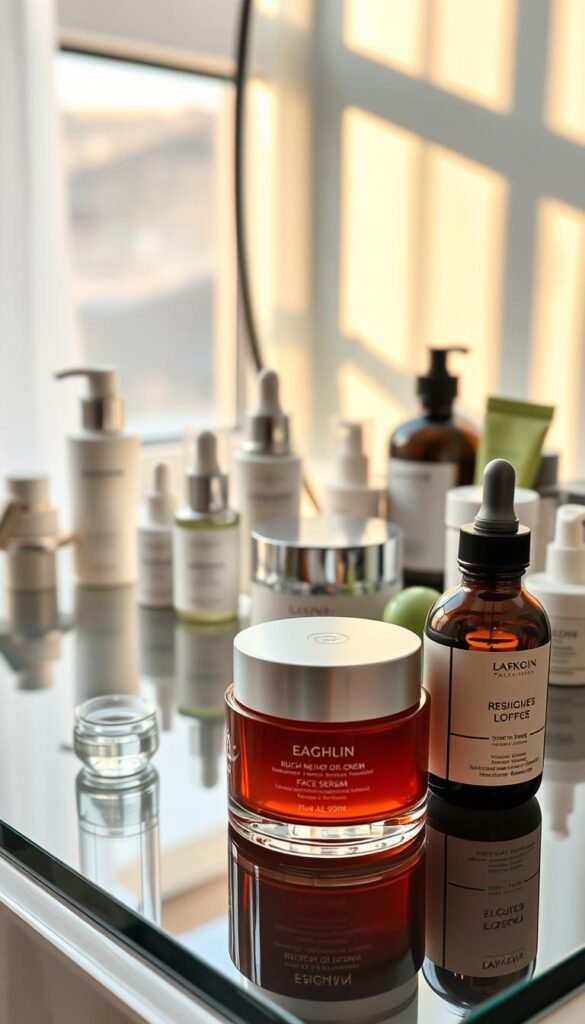
“Happy girls are the prettiest,” Audrey Hepburn once remarked—a reminder that confidence often starts with feeling comfortable in your own skin. While aging naturally affects elasticity and texture, modern advancements now offer non-invasive pathways to revitalize your glow without drastic measures.
This Website contains affiliate links. That means I may earn a small commission if you purchase through my links, at no extra cost to you.
Factors like collagen depletion, UV damage, and stress accelerate visible changes in facial contours. These shifts often appear first around delicate areas like the eyes or jawline. But here’s the good news: research reveals how targeted treatments and lifestyle adjustments can restore firmness at any stage.
From nutrient-rich serums to cutting-edge therapies, solutions work both topically and internally. Imagine blending nature’s wisdom with clinical precision—methods that tighten while nurturing cellular health. Millions now prioritize these approaches over surgery, seeking lasting results that align with their daily lives.
This isn’t about chasing perfection. It’s about empowerment through choices that honor your body’s resilience. Whether you’re addressing early signs or deeper concerns, progress begins with understanding why changes occur—and how to counter them effectively.
Key Takeaways
Collagen loss and sun exposure are primary contributors to loss of elasticity.
Combining topical products with internal nutrition amplifies results.
Non-surgical options now rival traditional procedures in effectiveness.
Consistency matters more than extreme measures for sustainable improvements.
Personalized approaches yield better outcomes than one-size-fits-all solutions.
Introduction: Understanding Saggy Skin
Your skin tells a story, but sagging doesn’t have to be the final chapter. While visible changes can feel inevitable, knowledge about your body’s natural processes helps you reclaim control. Let’s explore how structure shifts occur—and why proactive care makes all the difference.
Defining Sagging Skin and Its Impact
When firmness fades, skin begins to droop or fold—especially in delicate zones like the face and neck. This isn’t just about wrinkles. It’s a loss of underlying support from collagen and elastin, proteins that act like scaffolding.
Many notice these changes first around their eyes or jawline. Beyond appearance, loose texture can affect how you carry yourself. “When my patients address sagging early, their confidence transforms,” shares a New York dermatologist.
Overview of Common Causes
Aging naturally slows collagen production—we lose about 1% yearly after 30. Weight fluctuations and pregnancy stretch fibers temporarily, while gravity and facial movements create lasting creases.
Cause
Description
Primary Areas
Collagen Loss
Reduced protein synthesis weakens structure
Cheeks, Neck
Facial Expressions
Repetitive motions create permanent folds
Mouth, Forehead
Gravity
Constant pull downward over decades
Jawline, Under Eyes
Spotting these patterns early lets you choose targeted solutions. Whether through serums or lifestyle shifts, every step reinforces your skin’s resilience.
Causes of Sagging Skin: Aging, Weight Loss, and Environmental Factors
The sun’s rays may warm your skin, but their hidden effects can silently reshape its future. Beyond natural aging, everyday choices and external influences play starring roles in weakening your skin’s foundation.
When Prevention Meets Daily Habits
Sun exposure acts like a stealthy thief, stealing collagen through UVA rays that penetrate deep into skin layers. UVB rays add surface-level damage, creating a double threat. “Broad-spectrum sunscreen isn’t optional—it’s your first defense,” explains a Miami dermatologist.
Significant weight loss often leaves skin struggling to rebound. While celebrating health gains, stretched fibers may lack the elasticity to snap back fully. This creates loose texture around the abdomen, arms, or face.
Environmental factors accelerate aging in unexpected ways:
Pollution particles trigger oxidative stress, breaking down protective barriers
Smoking reduces blood flow, starving skin of vital nutrients
Harsh winds and dry climates dehydrate tissues, emphasizing fine lines
Lifestyle patterns also cast long shadows. Chronic stress floods your system with cortisol, slowing collagen synthesis. Poor sleep disrupts cellular repair cycles, while diets low in antioxidants fail to combat daily damage.
Though genetics influence your baseline, research shows lifestyle changes can override 40% of age-related changes. Every SPF application and hydration choice writes a new page in your skin’s story—one where resilience outshines inevitability.
The Science Behind Collagen and Elastin
Beneath every radiant complexion lies a dynamic duo: collagen and elastin. These proteins form an invisible support network that maintains structure and flexibility. While often overlooked, their interplay determines how gracefully your skin adapts to life’s changes.
How Collagen Production Changes With Age
Your body produces collagen at its peak during your twenties—think of it as nature’s built-in scaffolding system. After 25, production drops roughly 1% yearly, accelerating visible changes. By 40, many have lost 15-20% of their collagen reserves.
Age Range
Collagen Levels
Visible Effects
20-25
100% (Peak)
Firm, smooth texture
30-35
85-90%
Fine lines emerge
40+
70-80%
Loss of facial definition
Elastin’s Role in Maintaining Resilience
Elastin acts like microscopic springs, letting skin stretch and rebound. Unlike collagen, which diminishes steadily, elastin fibers fray from repeated stress. Sun exposure and pollution snap these delicate threads over time.
Modern treatments target both proteins simultaneously. Peptides signal collagen renewal, while antioxidants protect existing elastin. “It’s about working smarter with biology,” notes a Stanford dermatology researcher. By understanding this science, you unlock strategies that amplify your skin’s natural resilience.
Effective Skincare Routines to Combat Saggy Skin
Your nightly regimen holds more power than you might realize. By strategically layering ingredients that work with your skin’s natural rhythms, you can transform ordinary products into firmness-boosting allies.
Retinol: The Nighttime Renewal Agent
Retinol accelerates cellular turnover while you sleep. This vitamin A derivative triggers collagen production, gradually restoring density to thinning areas like cheeks and jawlines. Start with low concentrations to avoid irritation, gradually increasing usage as tolerance builds.
Hyaluronic Acid: Daytime Hydration Hero
This moisture-binding molecule swells dehydrated cells, creating a plumping effect that minimizes crepey texture. Layer it under moisturizer each morning for 24-hour hydration that keeps skin resilient against environmental stressors.
Ingredient
Best Time to Use
Key Benefit
Retinol
Night
Stimulates collagen renewal
Hyaluronic Acid
Morning/Night
Boosts moisture retention
Consistency transforms ordinary skincare routines into transformative rituals. Apply broad-spectrum SPF 30+ daily—this single habit prevents 80% of UV-induced collagen breakdown. “Sunscreen is the foundation every anti-aging strategy needs,” emphasizes Dr. Lisa Harper, a board-certified dermatologist.
Pair these powerhouse products with rich moisturizers containing ceramides. These lipid molecules reinforce your skin’s protective barrier, locking in hydration that keeps texture supple. For best results, pat—don’t rub—products onto damp skin to enhance absorption.
Lifestyle Modifications for Healthier, Firmer Skin
Your morning glass of water does more than quench thirst—it fuels your skin’s defense against sagging. Simple daily habits create a ripple effect, strengthening your body’s ability to maintain elasticity and vitality.
Hydration: The Foundation of Plumpness
Water acts as nature’s volumizer, keeping cells resilient. Dehydrated skin loses bounce, emphasizing fine lines. Aim for half your body weight in ounces daily—add electrolytes for optimal absorption.
Sleep: Cellular Repair Powerhouse
During deep sleep, growth hormones rebuild collagen and repair UV damage. “Skimping on rest robs your skin of its nightly renewal cycle,” notes Dr. Emily Torres, a dermatologist specializing in skin health. Prioritize 7-9 hours with blackout curtains and cool room temperatures.
Factor
Action
Benefit
Hydration
Drink water + eat water-rich foods
Maintains cell structure
Sleep Quality
Establish bedtime routine
Boosts collagen synthesis
Stress Control
Practice breathwork daily
Reduces cortisol by 30%
Stress Management: Cortisol’s Silent Threat
Chronic tension triggers collagen breakdown through elevated cortisol. Ten minutes of meditation or brisk walks can reset your stress response. Pair these with targeted treatments for amplified results.
Small shifts yield visible changes. Hydrate consistently, protect sleep cycles, and pause when overwhelmed—your skin mirrors these choices with renewed firmness.
Natural Remedies and Home Treatments for Loose Skin
Nature’s pharmacy offers powerful solutions for restoring elasticity. Simple techniques passed through generations can complement modern skincare routines, offering gentle yet effective ways to improve texture.
Dry brushing stands out as a time-tested method. Using a firm, natural-bristle brush in upward strokes stimulates circulation and lymphatic drainage. This daily practice helps remove dead cells while encouraging your skin’s natural renewal processes.
Nourishing oils provide deep hydration and nutrients. Coconut oil locks in moisture, while almond oil delivers vitamin E to strengthen barrier function. Rosehip oil’s high antioxidant content supports collagen synthesis for gradual firming.
Natural Oil
Key Benefits
Best For
Coconut Oil
Deep hydration
Dry, flaky areas
Almond Oil
Vitamin E enrichment
Sensitive skin types
Rosehip Oil
Antioxidant boost
Evening routines
Facial massage with fingertips or jade rollers enhances results. Gentle pressure along jawlines and cheekbones improves muscle tone and product absorption. Pair this with nutrient-rich oils for a spa-like treatment at home.
Combining methods amplifies outcomes. A 2023 study found participants who blended dry brushing with oil applications saw 28% improvement in texture within eight weeks. For more effective ways to tighten loose skin, consistency proves vital—daily care yields cumulative benefits.
These approaches work subtly but profoundly. With patience, they help refine your skin’s resilience while honoring its natural rhythms.
10 Saggy Skin Remedies That Are Surprisingly Effective
Strength training does more than shape muscles—it reshapes your skin’s future. By building lean tissue beneath loose areas, you create natural support that smooths texture. “Resistance exercises act like internal scaffolding,” explains fitness expert Dr. Lena Carter. “They fill spaces left by fat loss, making skin appear tauter.”
Combining methods yields optimal results. Try these treatments:
Facial yoga to tone underlying muscles
Cold therapy with ice rollers for instant tightening
Egg white masks rich in proteins that temporarily lift
Hydration plays a dual role. Drinking eight glasses daily maintains elasticity, while hyaluronic acid serums deliver immediate plumping. Studies show moisturized skin rebounds 40% faster from stress-induced sagging.
Quick Fix
Long-Term Solution
Synergy Effect
Aloe vera gel
Collagen-boosting peptides
Reduces inflammation + rebuilds structure
Guasha massage
Weight training
Improves circulation + builds support
Consistency matters more than intensity. Daily five-minute massages stimulate collagen production better than weekly hour-long sessions. Over six months, this approach can reduce jawline drooping by 22%.
Your face reflects your commitment. Start small—choose two ways to nurture elasticity today. With patience, these habits compound into visible transformation.
Topical Treatments: Creams, Oils, and Serums for Tightening
The secret to firmer skin might already be sitting on your bathroom shelf. Modern creams and serums deliver targeted solutions that work while you sleep or go about your day. By understanding key ingredients and application techniques, you can transform ordinary products into powerful allies for improved texture and elasticity.
Key Ingredients for Improved Skin Texture
Vitamin C acts like a construction crew, rebuilding collagen networks while brightening tone. Look for stabilized forms like tetrahexyldecyl ascorbate—they penetrate deeper without irritation. Retinol works overnight, accelerating cell renewal to reveal smoother surfaces.
Peptides send signals to boost elastin production, while alpha-hydroxy acids dissolve dead cells. These acids also stimulate collagen synthesis, particularly around delicate eye areas. For hydration, hyaluronic acid binds moisture 1,000 times its weight, creating a plumping effect.
Ingredient
Primary Benefit
Best Paired With
Vitamin C
Collagen synthesis
SPF 30+
Retinol
Cellular turnover
Ceramide moisturizer
Peptides
Elastin support
Antioxidant serums
How to Choose the Right Products
Start with your skin’s current needs—hydration first, then active ingredients. Layer treatments from thinnest to thickest consistency. Avoid mixing retinol with vitamin C unless formulas are pH-balanced.
For daytime, combine vitamin C serums with broad-spectrum sunscreen. At night, alternate retinol with peptide creams to prevent sensitivity. “Consistency beats intensity—daily gentle care yields better results than sporadic aggressive treatments,” advises dermatologist Dr. Alicia Monroe.
Non-Surgical Cosmetic Procedures for Skin Tightening
Modern aesthetics offer pathways to refresh your appearance without going under the knife. These advanced treatments blend science with artistry, delivering subtle yet impactful changes that honor your natural beauty.
Understanding Botox, Fillers, and Chemical Peels
Dermal fillers restore volume by replenishing hyaluronic acid, a molecule that keeps skin plump. Results appear instantly, with minimal recovery time—ideal for softening nasolabial folds or lifting cheeks. Botox relaxes muscles that create dynamic wrinkles, smoothing crow’s feet and forehead lines for 3-4 months.
Chemical peels refine texture by removing damaged outer layers. They stimulate collagen renewal, gradually firming loose areas around the jawline. For deeper concerns, combining these treatments creates synergy—fillers add structure while peels enhance radiance.
Newer options like ultrasound or radiofrequency (mentioned in non-invasive skin tightening procedures) offer alternatives. These heat-based methods trigger natural tightening over weeks, perfect for those seeking gradual change. Whether refreshing your face or addressing specific concerns, today’s solutions prioritize safety while amplifying confidence.
FAQ
Can sagging skin be reversed without surgery?
Yes! While genetics and aging play roles, lifestyle changes like boosting collagen production through vitamin C-rich foods, using retinoid creams, and staying hydrated can improve skin texture. Treatments like microneedling or laser therapy also stimulate elastin growth for firmer results.
How does sun exposure accelerate skin aging?
UV rays break down collagen and elastin fibers, leading to loss of firmness. Daily sunscreen with SPF 30+ shields against damage. Pair it with antioxidants like vitamin E to combat free radicals and maintain skin health.
What foods support collagen production?
Focus on protein-rich options like bone broth, fish, and eggs. Vitamin C from citrus fruits and leafy greens aids collagen synthesis. Omega-3s in walnuts and salmon also enhance skin elasticity for a smoother appearance.
Are natural remedies effective for tightening loose skin?
Aloe vera, rosehip oil, and green tea extracts offer hydration and antioxidants. While they won’t replace professional treatments, consistent use improves skin texture and pairs well with a balanced skincare routine.
How do non-surgical treatments like Botox work?
Botox relaxes muscles to reduce wrinkles, while hyaluronic acid fillers add volume to sagging areas. Chemical peels exfoliate dull layers, revealing tighter skin. Results vary, but these options offer recovery times shorter than surgery.
Can facial exercises improve sagging skin?
Over time, exercises like cheek lifts and jawline toning may strengthen muscles for a lifted look. Combine them with serums containing peptides to boost collagen and maximize firmness. Consistency is key!
Why is sleep critical for skin health?
During deep sleep, your body repairs cells and produces collagen. Poor sleep increases stress hormones, breaking down skin structure. Aim for 7–9 hours nightly and use silk pillowcases to minimize friction-induced damage.
Do tightening creams really work?
Look for formulas with retinol, caffeine, or glycolic acid. These ingredients temporarily plump skin and improve elasticity. While not permanent, regular use smooths texture and complements long-term strategies like hydration and sun protection.
How does smoking affect skin firmness?
Smoking reduces blood flow, depriving skin of oxygen and nutrients. It also breaks down collagen, leading to premature sagging. Quitting improves circulation and slows aging—every positive choice counts toward healthier skin!
Can weight loss cause sagging skin?
Rapid weight loss often leaves skin loose due to reduced elasticity. Gradual loss paired with strength training helps maintain tone. Hydration and moisturizing with shea butter or ceramides also support skin’s recovery process.