“Your skin is the fingerprint of what’s going on inside your body,” observed Dr. Georgiana Donadio, a pioneer in integrative health. Like many with combination or oily complexions, you might feel stuck in a cycle of blotting papers and frustration. But what if your natural glow could become an asset instead of a challenge?
This Website contains affiliate links. That means I may earn a small commission if you purchase through my links, at no extra cost to you.
Managing excess oil doesn’t mean fighting your body’s biology. The secret lies in working with your skin’s rhythm – using ingredients that balance rather than strip. From ancient herbal traditions to modern dermatology, effective solutions exist that honor your complexion’s unique needs.
This guide reveals practical strategies rooted in science and simplicity. You’ll discover how everyday ingredients can transform your routine, why certain textures make all the difference, and how to create lasting harmony. The journey to confident, radiant skin begins with understanding – not battling – your natural canvas.
Key Takeaways
Balance oil production by aligning with your skin’s natural biology
Incorporate lightweight, non-comedogenic products for lasting results
Leverage ingredients like niacinamide and witch hazel for gentle control
Create routines that adapt to seasonal or hormonal changes
Focus on long-term skin health rather than temporary fixes
Introduction: Understanding Oily Skin and Its Impact
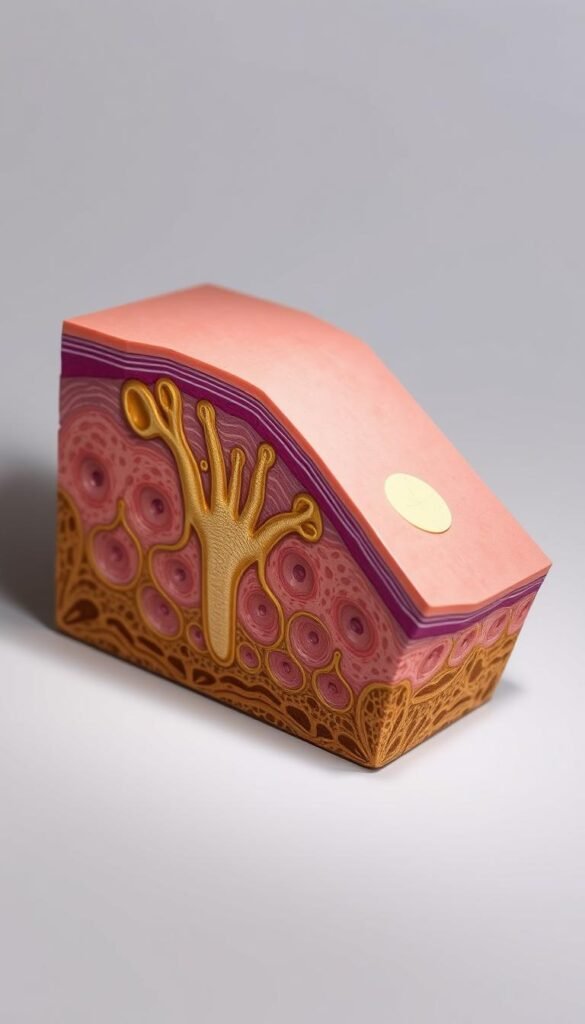
Your complexion tells a story written by biology and environment. Beneath the surface, tiny glands work tirelessly to produce sebum – nature’s moisturizer that sometimes overdelivers. This protective oil becomes problematic only when production shifts into overdrive.
What Causes Excess Sebum?
Your body’s sebum production operates like a finely tuned orchestra. Hormones conduct the tempo, while genetics set the baseline rhythm. Stress and humidity often join as guest performers, amplifying output. Though these factors influence your glow, they don’t dictate your skin’s destiny.
Consider this: your face contains nearly 900 glands per square centimeter. When balanced, they create a supple barrier against pollutants. But when overwhelmed by internal or external triggers, they flood the surface with excess oil.
Common Challenges Faced by Oily Skin
Midday shine and stubborn breakouts often steal the spotlight. Makeup may slide off before noon, while blackouts dot the T-zone like unwelcome guests. Yet stripping away oil completely backfires – it triggers more production as your skin fights to rebalance.
The real victory comes through partnership. Gentle cleansing preserves protective lipids while managing buildup. Lightweight hydration signals your sebaceous system to ease off the accelerator. With consistent care, that natural radiance transforms from frustration to asset.
The Science Behind Excess Oil Production
Your face’s natural oil system operates like a smart thermostat – constantly adjusting to internal signals and external conditions. While some factors feel beyond control, understanding their interplay reveals actionable solutions.
Three Key Influencers of Your Complexion
Celebrity aesthetician Joshua Ross explains: “Your skin type dances to life’s rhythms – genetics set the stage, but hormones and environment call the shots.” Genetic coding determines your baseline glands activity, but seasonal changes and stress hormones like cortisol can double sebum output within hours.
Humidity acts as nature’s moisturizer, tricking skin into reducing oil production. But in dry climates, glands overcompensate. This explains why your forehead might shine in Miami yet feel tight during Denver winters.
Your Skin’s Hidden Protectors
Sebaceous glands aren’t enemies – they’re your first defense against pollution and dehydration. When functioning optimally, they release just enough sebum to maintain pH balance and elasticity. Problems arise only when communication breaks down between these glands and your environment.
Monthly hormonal fluctuations create temporary surges, while aging gradually reduces production. This knowledge empowers you to adapt – lighter products during ovulation weeks, richer hydration as you mature. Your glands respond to consistent care, proving biology isn’t destiny.
Benefits of Home Remedies Over Conventional Treatments
Simple, everyday ingredients often provide the key to lasting skin harmony. While commercial products promise quick fixes, nature’s solutions work with your body’s wisdom. Over 60% of people who try natural approaches report improved texture within weeks – without harsh reactions.
Nature’s Pharmacy at Your Fingertips
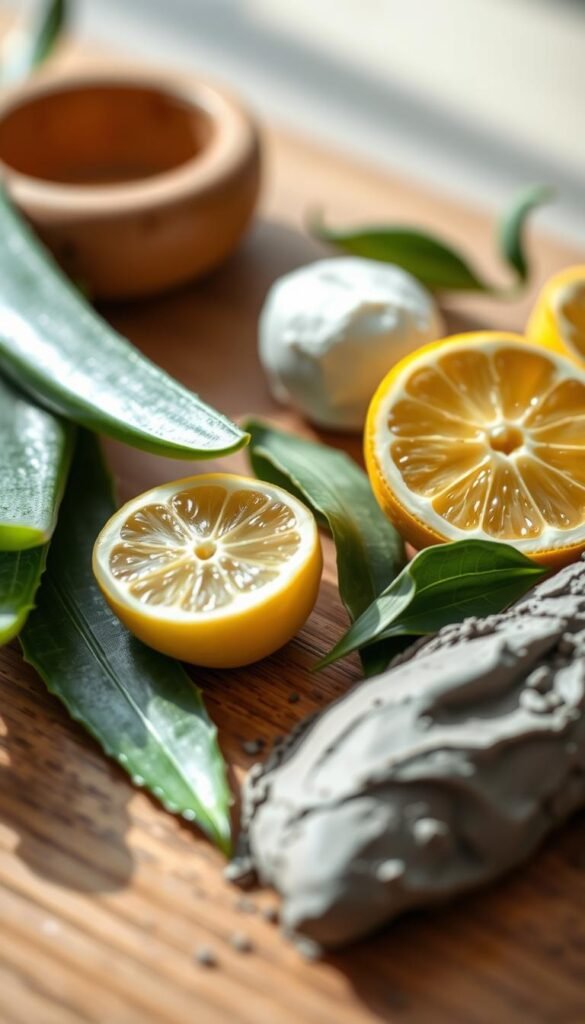
Herbalist Rosemary Gladstar notes: “Plants evolved alongside humans – their chemistry speaks our body’s language.” Ingredients like raw honey deliver antibacterial action while maintaining moisture balance. Kaolin clay absorbs excess oil without stripping protective barriers, unlike alcohol-based toners.
Feature
Home Solutions
Conventional Treatments
Cost per month
$5-$15
$30-$200+
Common side effects
Rare
Dryness/irritation
Customization options
Unlimited
Limited
Active properties
Multifunctional
Single-purpose
The Power of Daily Rituals
Consistency transforms occasional care into lasting change. Weekly clay masks regulate sebum production over months, while store-bought peels offer temporary relief. Your kitchen becomes a lab where you adjust ratios – more aloe for sensitivity, less lemon for dryness.
Ancient Ayurvedic texts detail turmeric’s purifying effects, now confirmed by modern science. This synergy between tradition and research validates what grandmothers knew: true beauty starts with respecting nature’s rhythms.
Remedy Spotlight: Natural Honey for a Matte Finish
The secret to balanced complexions might be sitting in your pantry. Raw honey’s golden viscosity hides a scientific marvel – a unique combination of enzymes and sugars that work like nature’s reset button for troubled complexions.
Antibacterial and Humectant Benefits
Raw honey operates as a biological peacekeeper. Its low pH creates an inhospitable environment for acne-causing bacteria while preserving beneficial microbes. Unlike harsh treatments, this sweet solution reduces redness without provoking rebound oil production.
As a humectant, honey draws moisture from the air into your face’s deeper layers. This hydration signal tells sebaceous glands to ease their output – like turning down a thermostat. Ancient Egyptians recognized these properties, using it in their natural products for oily skin rituals centuries before modern science confirmed their wisdom.
How to Apply a Honey Mask Effectively
Transform your kitchen staple into a spa-worthy treatment:
Cleanse with lukewarm water to open pores
Apply a thin layer of raw, unpasteurized honey
Let dry 10 minutes – enzymes activate during this time
Rinse using circular motions to gently exfoliate
This weekly ritual maintains clarity between pores while reinforcing your moisture barrier. For combination areas, mix with a pinch of oatmeal. Your face emerges supple, not stripped – proof that nature’s remedies often outsmart laboratory creations.
Balancing Your Routine: Effective Cleansing and Blotting Techniques
What if your daily habits could recalibrate your face’s natural oil production? The answer lies in strategic maintenance rather than aggressive correction. A thoughtful approach keeps pores clear while maintaining your protective moisture barrier.
Daily Washing Tips to Manage Excess Oil
Twice-daily cleansing forms the foundation of balance. Use lukewarm water and formulas with glycerin or ceramides – these preserve hydration while dissolving impurities. Harsh scrubs trigger defense mechanisms, causing glands to pump out more oil within hours.
Morning and evening rituals matter equally. Night washes remove pollution buildup, while morning sessions prep your face for daytime protection. Pat skin dry instead of rubbing to prevent irritation.
Using Blotting Papers for Instant Shine Control
These translucent sheets act like silent partners in your gentle skincare routine. Press (don’t rub) them on shiny areas to absorb excess oil without stripping moisture. Modern versions come infused with mineral powders that extend matte effects.
Carry blotters in your bag for midday touch-ups. Unlike powder compacts, they don’t add layers that can clog pores. Your makeup stays intact while oil production continues undisturbed beneath the surface.
Clay Masks & Oatmeal Treatments for Oil Absorption
Ancient earth minerals meet kitchen staples in a powerful duo for complexion balance. These time-tested ingredients offer more than temporary fixes – they teach your pores to self-regulate while respecting your natural moisture barrier.
French Green Clay Activation
This mineral-rich powder acts like a magnet for impurities. When mixed with water or floral hydrosols, it transforms into a detoxifying treatment. Celebrated in European spas for centuries, it gently:
Draws out excess sebum from deep within pores
Delivers magnesium and calcium to strengthen skin
Creates a smooth canvas for better product absorption
Pro Tip: Combine 1 tsp clay with rosewater until achieving yogurt-like consistency. Apply evenly, avoiding the delicate eye area. Rinse when cracks form – about 8 minutes.
Oatmeal’s Soothing Symphony
Ground oats become a velvet-soft exfoliator that calms irritation. Their anti-inflammatory properties make them ideal for redness-prone complexions. Try this versatile base recipe:
Blend rolled oats into fine powder
Mix with cooled green tea instead of water
Apply in upward circles for gentle buffing
This dual-action treatment absorbs surface oil while reinforcing your protective barrier. For those seeking ready-made options, explore our guide to best clay formulations that complement homemade rituals.
Consistent use of these treatments teaches glands to moderate oil production naturally. Over weeks, you’ll notice smaller-looking pores and longer-lasting matte finishes – proof that nature’s simplest solutions often yield the most transformative results.
Combining Egg Whites, Lemons, and Almond Scrubs for Tightened Pores
Your kitchen holds unexpected allies for achieving smoother texture. When used thoughtfully, these pantry staples offer targeted solutions that commercial products often overlook.
How Egg Whites and Lemon Work Together
Egg whites temporarily tighten pores through their protein-rich composition, creating a refined surface. The citric acid in lemon juice helps dissolve excess oil while targeting bacteria – a 2008 study confirmed its antimicrobial properties. Always dilute lemon with other ingredients to prevent irritation.
Try this balancing ritual:
Mix 1 egg white with 1 tsp fresh lemon juice
Apply evenly to face using upward strokes
Rinse with lukewarm water after drying
Precautions When Using Almond-Based Scrubs
Ground almonds gently buff away dead skin cells without microtears. Their natural oils absorb sebum while nourishing your complexion. Avoid over-scrubbing – limit use to twice weekly for sensitive areas.
For deeper insights into safe exfoliation methods, explore our guide to natural solutions that respect your skin’s balance. Remember: gentleness yields lasting results far beyond temporary shine control.
FAQ
Why does my skin produce so much oil?
Excess sebum often stems from hormonal shifts, genetics, or environmental triggers like humidity. Your sebaceous glands may overwork due to stress, diet, or even harsh skincare products, leading to a shiny complexion and clogged pores.
Can oily skin lead to acne breakouts?
Yes! When excess oil mixes with dead skin cells, it can trap bacteria in pores, causing inflammation and acne. Using ingredients like salicylic acid helps dissolve buildup while balancing sebum production.
Are natural remedies better for oily skin than store-bought products?
Natural solutions like honey or clay masks offer gentle, anti-inflammatory properties without stripping moisture. They’re cost-effective and reduce long-term reliance on harsh chemicals, but consistency is key for lasting results.
How does a honey mask help control shine?
Raw honey acts as a humectant, drawing moisture without greasiness. Its antibacterial properties fight acne-causing bacteria, while enzymes gently exfoliate dead skin cells, leaving a smooth, matte finish when rinsed off with lukewarm water.
What’s the best way to cleanse oily skin daily?
Use a sulfate-free gel cleanser twice daily. Avoid hot water—it can trigger more oil production. Follow with a toner containing witch hazel or niacinamide to tighten pores and prep skin for lightweight, non-comedogenic moisturizers.
Can clay masks worsen dryness in oily skin?
Overusing clay masks can strip natural oils, causing rebound sebum production. Limit them to 1-2 times weekly. Mix French green clay with apple cider vinegar or aloe vera gel to maintain balance and soothe irritation.
Are almond scrubs safe for oily, acne-prone skin?
Finely ground almond scrubs offer gentle exfoliation but avoid aggressive scrubbing. Pair with calming ingredients like yogurt to prevent microtears. Always moisturize after to keep your skin barrier intact and reduce excess oil.
How do blotting papers work for shine control?
Blotting papers absorb surface oil without disturbing makeup. Press—don’t rub—them on shiny areas. Look for options infused with charcoal or rice powder for added mattifying benefits throughout the day.