“You may not control all the events that happen to you, but you can decide not to be reduced by them,” Maya Angelou once said. For years, my reflection felt like a battle zone—redness, stubborn bumps, and a cycle of hope followed by disappointment. Then everything shifted.
This Website contains affiliate links. That means I may earn a small commission if you purchase through my links, at no extra cost to you.
I used to hide behind layers of makeup, convinced clear skin was a myth for people like me. Generic advice like “drink more water” or “avoid chocolate” never addressed the root cause. My breakthrough came when I stopped treating symptoms and rebuilt my routine from the ground up.
This isn’t about shortcuts. It’s a story of small, intentional changes that compound over time. I learned to nurture my face with targeted care while adjusting habits like sleep and stress management. The real magic? These strategies work together like gears in a clock—remove one, and the system falters.
If you’ve ever felt stuck in a loop of breakouts, I get it. What I share here isn’t theory. It’s a tested blueprint that turned my toughest insecurity into my greatest triumph. Let’s begin where all real change starts: with honesty, patience, and the courage to try something new.
Key Takeaways
Clear skin requires a personalized approach beyond generic advice
Consistent routines outperform quick fixes for long-term results
Combining topical care with lifestyle adjustments creates lasting change
Progress often appears gradual but becomes transformative over time
Managing expectations reduces frustration during the healing process
My Personal Acne Journey
Thirteen-year-old me stared at the mirror, tracing angry red bumps along my jawline. This wasn’t how skin was supposed to look. By sixteen, my entire routine revolved around hiding imperfections—skipping pool parties, applying foundation during lunch breaks, and refusing family photos.
Early Struggles and Breakouts
My first breakouts arrived like uninvited guests. I attacked them with gritty scrubs, alcohol-based toners, and every “24-hour cure” at the drugstore. Each failed attempt left my face raw and my hope thinner. Friends joked about “teenage pimples,” but mine stubbornly stayed into college.
Worse than the physical marks was the shame. I canceled dates last-minute, convinced no one would look past my acne. When a harsh cleanser caused peeling, I doubled my washing routine—mistaking pain for progress.
Lessons Learned Along the Way
What changed everything? A dermatologist’s blunt truth: “You’re treating your skin like an enemy. Start treating it like a friend.” I swapped scorched-earth tactics for these methods:
Old Approach
Result
New Strategy
Scrubbing 3x daily
Damaged moisture barrier
Gentle cleanser AM/PM
Popping blemishes
Scarring
Spot treatment with patience
Switching products weekly
Constant irritation
6-week trial periods
Healing required time and unlearning every “quick fix” myth. I discovered my acne worsened during exams—a clue that stress mattered as much as skincare. Progress felt glacial, but one morning I realized: my reflection no longer scared me.
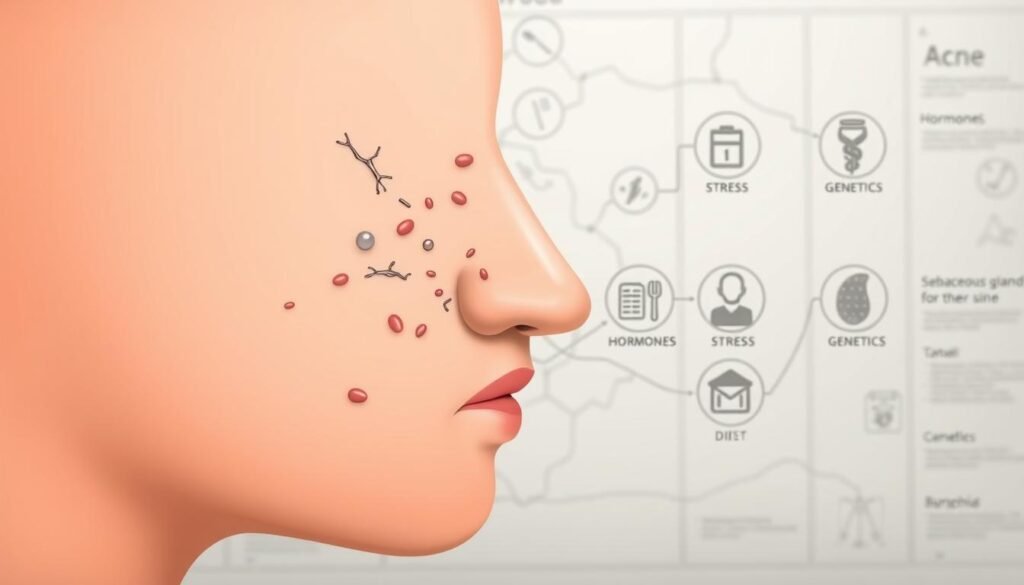
Understanding Acne: Causes and Triggers
I spent years blaming myself for breakouts until science showed me the real culprits. My skin wasn’t betraying me—it was reacting to forces I hadn’t fully understood.
The Hidden Mechanics of Breakouts
That stubborn acne on my chin? Turns out bacteria called Propionibacterium acnes were throwing parties in my pores. They feast on oil, creating inflammation that turns small bumps into angry volcanoes. My dermatologist explained it like this:
Trigger
Effect
My Solution
Hormone shifts
Increased oil production
Cycle-tracking app
High humidity
Clogged pores
Oil-free sunscreen
Stress spikes
Cortamine flares
Evening meditation
Monthly breakouts made sense when I connected them to my cycle. During ovulation, rising testosterone pushed my oil glands into overdrive. I stopped fighting my biology and started working with it.
Your Skin’s Unique Language
Discovering I had combination skin explained why some products backfired. What works for dry cheeks often wrecks an oily T-zone. Here’s how I learned to listen:
Oily areas: Used clay masks twice weekly
Dry patches: Applied hyaluronic acid serum
Sensitive zones: Avoided alcohol-based toners
Pollution particles clinging to my phone screen? Another hidden cause acne flare-ups. Now I wipe devices daily and never skip double cleansing. Working with a dermatologist helped decode these personal triggers—turning guesswork into strategy.
Building a Daily Skin Care Routine
My bathroom shelf once overflowed with every cleanser promising a miracle cure. What finally worked wasn’t complexity—it was mastering the fundamentals. Skin care became less about attacking problems and more about creating harmony through consistent, thoughtful care.
Proper Face Washing Techniques
I learned the hard way that washing face more than twice daily strips natural oils. My old four-times-a-day habit left my face tight and reactive. Now, I use lukewarm water and fingertips—no abrasive cloths—to massage cleanser in gentle circles. This prevents spreading bacteria while lifting impurities.
Rinsing thoroughly matters more than you’d think. Residual product can clog pores, undoing all that careful cleansing. Patting dry with a clean towel became non-negotiable—rubbing caused micro-tears I didn’t notice until redness appeared.
Selecting Gentle Cleansers
Switching to sulfate-free products felt like upgrading from sandpaper to silk. Formulas with hydrating ceramides repaired my barrier instead of destroying it. Here’s what transformed my routine:
Morning: Creamy cleanser that doesn’t foam
Evening: Oil-based balm followed by water-based gel
Testing cleansers for six weeks revealed truths no instant review could. What initially felt “ineffective” often proved perfect once my skin adjusted. Now I choose based on texture preferences and how my face feels after drying—not during the wash.
10 Acne Tips That Actually Changed My Skin Forever
The moment my bathroom shelf went from chaotic to curated marked a turning point. I discovered lasting clarity comes from pairing science-backed methods with personalized adjustments—not chasing miracle cures.
My approach blends three pillars: treatment precision, habit refinement, and biological awareness. Unlike temporary fixes, this system creates compounding benefits. Think of it as training wheels for your complexion—each element supports the others until balance becomes second nature.
Core Components of Lasting Results
What Failed
What Flourished
Time to See Shift
Harsh exfoliants
PH-balanced cleansers
3 weeks
Random product hopping
Ingredient-focused rotation
6 weeks
Ignoring stress cycles
Adaptive routines
2 months
Working with my dermatologist revealed surprising connections. Late-night scrolling disrupted sleep, spiking cortisol levels that triggered morning breakouts. Adjusting screen time became as crucial as topical treatments.
Patience proved vital. While some changes reduced inflammation within days, others required months. Hydration from within through electrolyte-rich water showed faster impact than any serum. Yet combining both accelerated results beyond expectation.
This journey taught me to celebrate subtle shifts—less oiliness here, faster healing there. Each small victory built confidence in the process, transforming skincare from a chore into a form of self-respect.
Key Acne-Fighting Ingredients and Their Benefits
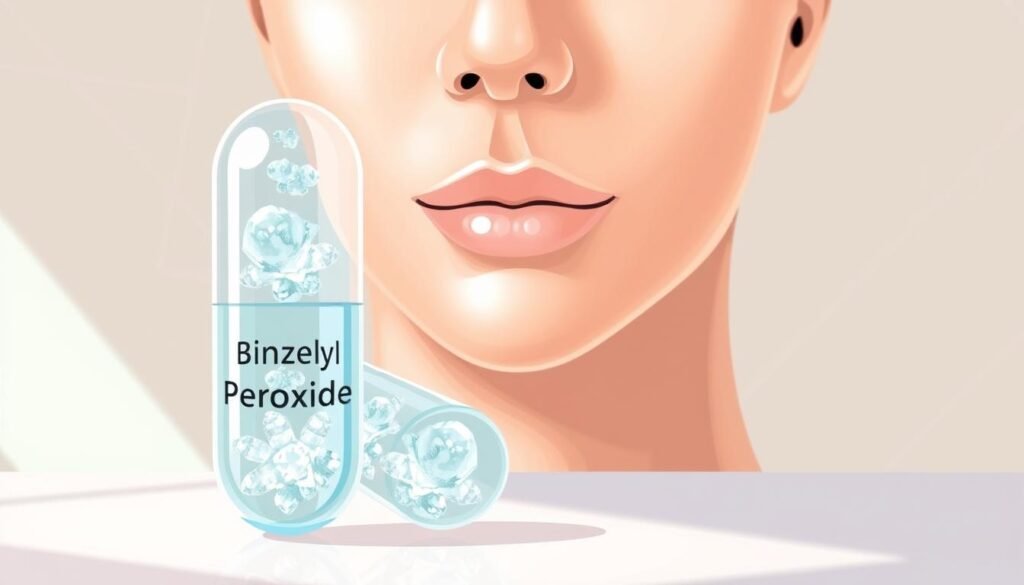
I once believed all breakout solutions worked the same until I decoded ingredient labels like a secret language. Discovering benzoyl peroxide and salicylic acid transformed my approach—but only after surviving painful trial periods that taught me how to wield their power responsibly.
Strategic Use of Active Allies
My first encounter with benzoyl peroxide left my cheeks raw and peeling. I’d slathered on 10% cream nightly, not realizing lower concentrations (2.5%-5%) deliver results without nuclear fallout. When I switched to short-contact therapy—applying it for 5 minutes before rinsing—inflammatory bumps retreated like disciplined soldiers.
Salicylic acid became my T-zone whisperer. Using a 2% liquid exfoliant every third night dissolved blackheads that clay masks couldn’t touch. The key? Applying it before moisturizer on dry skin for maximum pore penetration.
Ingredient
Best For
My Protocol
Benzoyl Peroxide
Cystic breakouts
Spot treat 2.5% gel
Salicylic Acid
Clogged pores
Weekly exfoliating pads
Layering these active ingredients required military precision. I learned to alternate days rather than stack them—using benzoyl peroxide mornings and salicylic evenings. When my skin rebelled with dryness, hyaluronic acid serums became the peacekeeper between warring factions.
Patience proved vital during the six-week adjustment phase. Initial purging tested my resolve, but sticking to a consistent schedule revealed clearer skin beneath the storm. Now I choose ingredients like a conductor selects instruments—each playing its part without drowning out the others.
Moisturizing and Hydration for Acne-Prone Skin
For years, I avoided moisturizers like they caused breakouts—until a derm revealed my oil-slick face was actually screaming for hydration. “Dehydrated skin overcompensates by flooding pores with sebum,” she explained. My fear of cream textures dissolved when I discovered moisture balance prevents more problems than it creates.
Choosing Noncomedogenic Moisturizers
My game-changer came in a tiny blue bottle labeled oil-free. Lightweight gels with hyaluronic acid became my morning staple, while ceramide-rich creams repaired my barrier overnight. The golden rule? Always check for these markers:
Embrace
Avoid
Dimethicone
Coconut oil
Niacinamide
Lanolin
Squalane
Fragrance
Testing products on my jawline for three days prevented full-face disasters. When a moisturizer caused tingling, I knew to ditch it—comfort became my compass.
Hydration Tips for Clearer Skin
Internal hydration proved equally vital. Carrying a 32-ounce water bottle forced me to sip consistently rather than chugging eight glasses at once. Within weeks, my dry skin patches smoothed while oily zones calmed down.
Layering taught me finesse. After applying acne-prone skin treatments, I wait ten minutes before pressing in a pea-sized amount of moisturizer. This sandwich method kept irritation at bay while locking in benefits.
Now I judge hydration success by how my face feels between routines—no tightness, less midday shine. What began as skepticism transformed into my most trusted defense against flare-ups.
Exploring Over-the-Counter and Prescription Treatments
I used to layer three different acne treatments each night, convinced more products meant faster results. My bathroom counter became a graveyard of half-used tubes and dried-out pads. Then I discovered precision beats quantity.
Drugstore aisles taught me harsh lessons. Benzoyl peroxide bleached pillowcases while salicylic acid left my chin flaky. A dermatologist finally mapped out a smarter approach: “Start low, go slow, and let your skin speak.”
When to Use OTC Options
For mild breakouts, I learned to rotate single-ingredient solutions instead of stacking them. Sulfur spot treatments became my gentle option for under-the-skin bumps. This table shows how I paired concerns with solutions:
Issue
OTC Choice
Frequency
Surface blackheads
2% salicylic pads
3x weekly
Inflamed spots
4% benzoyl peroxide
Spot treatment
Patience became my new superpower. Though I craved overnight fixes, most acne treatments needed 6-8 weeks to reveal their true impact. Tracking progress in a journal helped me see subtle improvements I’d otherwise miss.
When stubborn cysts refused to budge, my dermatologist introduced prescription retinoids. These required careful layering with moisturizers but transformed texture better than any store-bought products. Our partnership proved crucial—she spotted triggers I’d overlooked, like hormonal imbalances amplifying my breakouts.
Now I test new treatments like a scientist: left cheek first, three days observation, then full-face rollout. This method prevents disasters while revealing what truly works. Healing isn’t about strength—it’s about strategy.
Embracing Natural Remedies and Alternative Treatments
My exploration of plant-based solutions began when prescription treatments left my face raw and reactive. Nature’s pharmacy offered gentler options that worked with my body rather than against it—but only when used strategically.
Tea Tree Oil and Other Natural Solutions
Diluted tea tree oil became my secret weapon against stubborn bumps. Its natural antibacterial properties targeted acne-causing microbes without the harsh side effects of stronger chemicals. I learned to mix 3 drops with 1 teaspoon of jojoba oil—applying it only to affected areas after patch testing behind my ear.
Remedy
Best Use
Precaution
Tea Tree Oil
Spot treatment
Always dilute
French Green Clay
Weekly masks
Moisturize after
French green clay masks transformed my Sunday nights. Mixed with raw honey, they pulled impurities from congested pores while calming inflammation. My skin felt renewed without that squeaky-clean overkill from harsh scrubs.
Consulting my dermatologist prevented disasters. She warned against using lemon juice (too acidic) and cinnamon (irritating), steering me toward science-backed options. These natural allies now complement my medical treatment plan—like using clay masks on “rest days” between retinoid applications.
What surprised me most? These methods required more patience than prescriptions. But watching angry breakouts fade without collateral damage made every cautious step worthwhile. My complexion learned to heal itself when given the right tools.
Managing Stress and Its Impact on Acne
My phone buzzed with deadlines while my mirror reflected the consequences. Research confirms what my skin showed me: stress doesn’t create acne, but it fuels the fire. The American Academy of Dermatology notes cortisol spikes increase oil production, turning minor bumps into inflamed eruptions.
Stress-Reduction Techniques That Work
I traded panic for planned pauses. Five-minute breathwork sessions between meetings became my reset button. Evening walks replaced doomscrolling—a simple swap that lowered tension and reduced cheek redness within weeks.
Integrating Relaxation Into Daily Life
Consistency mattered more than intensity. I scheduled “stress buffers” like morning meditation and Thursday yoga like critical appointments. Over time, these non-negotiable moments strengthened my skin’s resilience as much as any cream.
My dermatologist approved this mind-skin connection approach. By addressing internal triggers alongside topical care, I finally broke the cycle of stress-induced breakouts. True healing began when I realized calmness could be as powerful as any prescription.
FAQ
Can benzoyl peroxide work for sensitive skin?
Yes, but start with a low concentration (2.5%) to avoid irritation. I paired it with a fragrance-free moisturizer to combat dryness. Over time, my skin adapted, and it became a game-changer for reducing inflammation without stripping moisture.
How do I choose products that won’t clog pores?
Look for “noncomedogenic” labels, which means they’re formulated not to block pores. I swear by gel-based moisturizers like Neutrogena Hydro Boost—they hydrate without feeling heavy. Always patch-test new products to avoid surprises.
Does diet really affect breakouts?
For me, cutting back on dairy and sugary foods made a noticeable difference. While not everyone’s trigger, studies suggest high-glycemic foods can spike oil production. Listen to your body—it often knows best!
Are natural remedies like tea tree oil effective?
Tea tree oil diluted with a carrier oil helped calm my occasional red spots. However, for severe acne, prescription treatments like Differin worked faster. Natural isn’t always better—balance is key.
How long does it take to see results from a new routine?
Patience is tough but vital. My skin needed 6–8 weeks to show improvement. Consistency with salicylic acid cleansers and sunscreen paid off—don’t give up too soon!
Can stress cause cystic acne?
Absolutely. During high-stress periods, my breakouts flared. Incorporating yoga and evening walks reduced cortisol levels, which helped my skin heal. Mental health and skin health are deeply connected.
Is it necessary to see a dermatologist for mild acne?
If over-the-counter products aren’t working after 12 weeks, consult a pro. My dermatologist prescribed a tailored regimen that tackled stubborn closed comedones I couldn’t fix alone. Sometimes expertise saves time—and your sanity.
How do I prevent acne scars?
Early treatment is crucial. I avoided picking and used silicone patches on active pimples. For existing marks, vitamin C serums and sunscreen faded discoloration. Prevention beats correction every time.
Can makeup worsen acne?
Only if it’s pore-clogging. I switched to mineral-based foundations like BareMinerals and double-cleanse nightly. Noncomedogenic formulas let me express myself without sacrificing progress.
Should I moisturize if my skin feels oily?
Yes! Skipping moisturizer tricks skin into producing more oil. Lightweight options like La Roche-Posay Toleriane Ultra Fluid restored my barrier balance. Hydration is power—even for oily types.